
The Perfect Texas Plants That Thrive Near Flaming Firepits
Introduction: Cool nights are appearing on the calendar, which means firepits are about to take center stage. The right plantings make that glow look steadfast and keep your outdoor living space low-maintenance when the wind picks up. Native Texas choices like Texas sage, lantana, and esperanza can handle heat, reflected warmth, and drought, all while framing the flame so it feels welcoming, not crowded.
Get Texas Sage to Plant Around Your Firepits
What is Texas Sage?
Texas sage, also called Leucophyllum frutescens, is a tough, evergreen shrub with silvery foliage and purple blooms that pop up after a good rain. It loves full sun, poor soils, and hot patios, which makes it a natural fit around firepits where stone and gravel reflect heat onto nearby plants. The leaves stay tidy, and the shrub holds shape with light pruning, so it reads neat around seating.
It is also a low-water performer once established, which matters when fall stretches dry. While any plant can burn if neglected, Texas sage does not shed messy, resinous litter the way some ornamentals do. Keep it healthy, keep it trimmed, and it becomes a calm, reliable backdrop that frames the fire without creating clutter or blocking sightlines to the flame.
How to Plant it Around Firepits
Give Texas sage full sun and well-drained soil. A gravel or decomposed granite mulch ring around the firepit helps reflect light at night and keeps embers off mulching. Space shrubs several feet from the pit’s edge to prevent heat stress on new growth, and leave a clean walkway behind chairs so people can move safely. In tighter yards around Austin TX, compact varieties keep scale balanced.
During establishment, water deeply but infrequently so roots dive down. Prune lightly after bloom flushes to maintain shape and airflow. Most importantly, keep a clear buffer between the plant and the firepit wall. That open strip not only looks intentional but also reduces leaf scorch and makes it easy to rake away any dry debris that drifts in after a breezy evening.
Why Lantana is an Excellent Addition to Accent Firepits
What is Lantana?
Lantana is a sun-loving bloomer that carries color from spring through frost. Depending on your pick, it can mound neatly or trail over boulders, which is perfect when you want softness around the firm geometry of firepits. It handles reflected heat, needs modest water once settled, and keeps flowering even when afternoons run hot.
In many parts of Texas, lantana behaves like a perennial that may die back in winter and return strong in spring. It also draws butterflies, which adds a little life to the scene in late afternoons. If pets explore the area, plant it just outside the main seating zone and encourage kids and animals to admire rather than sample, since the plant is not meant for nibbling.
How Lantana Complements Your Firepits
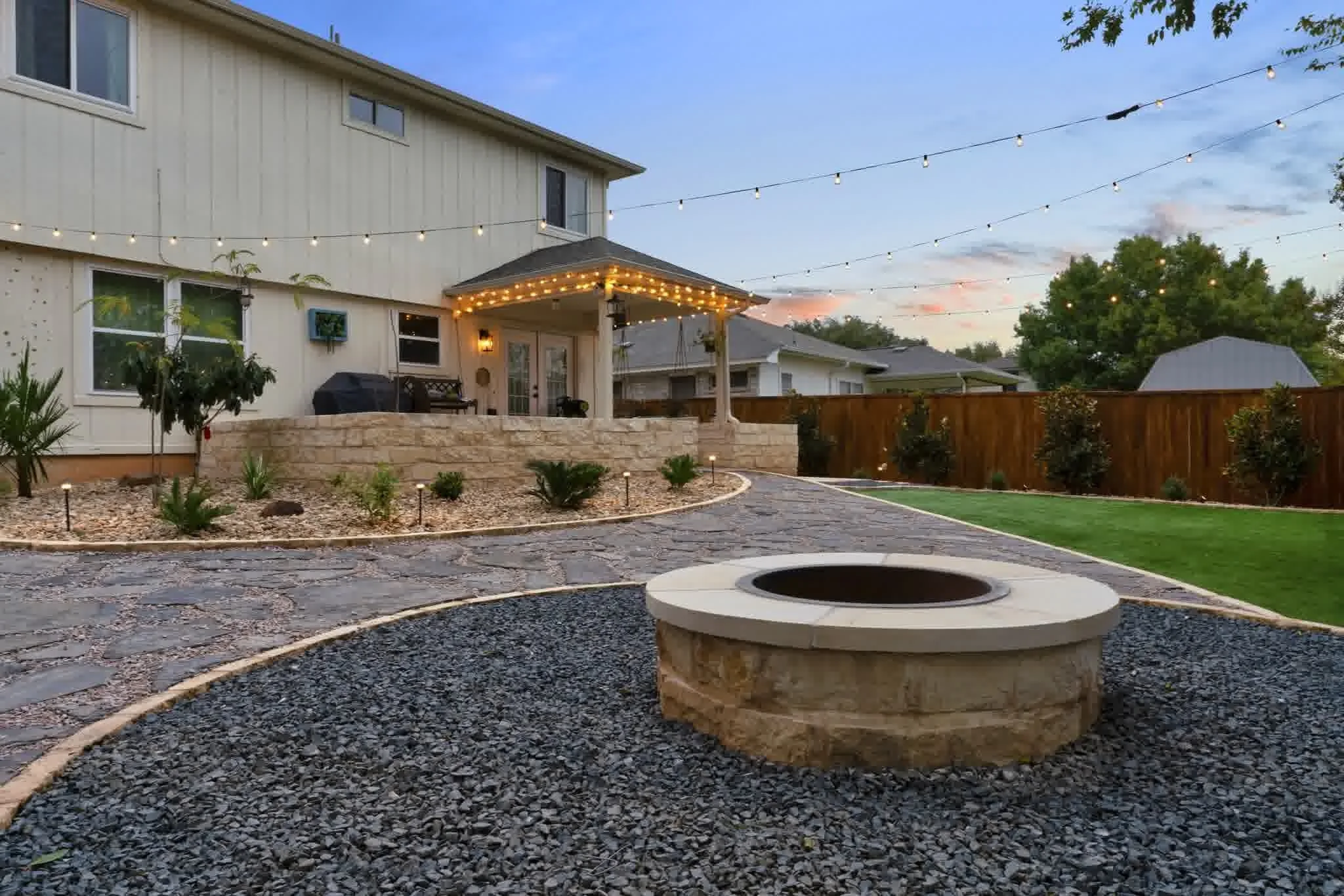
The ember glow loves lantana’s saturated oranges, reds, and yellows. Tuck mounding varieties along the outer curve of a gravel pad so the blooms sit low and uninterrupted in your sightline. Trailing types look great spilling over a low stone border, softening edges and catching a little highlight from the flames when evening settles in Austin TX.
Keep the planting pockets simple. Fast-draining soil, a top layer of stone or fine gravel, and a modest setback from the pit keep heat levels reasonable. Cut back in late winter to refresh growth, then let it fill back in by early summer. The effect is a color that extends across the yard without encroaching on the firepit itself, which makes gatherings feel relaxed and open.
How Esperanza Helps Enhance Your Firepits
What is Esperanza?
Esperanza, or Tecoma stans, is a bold, sunshine-yellow bloomer that thrives in heat and leans into long seasons. It can reach head height in a summer, then die back in a freeze and rebound when warmth returns. The trumpets invite hummingbirds, and the plant’s vertical habit sits nicely behind lower, mounding companions around firepits.
Because it grows fast, Esperanza is great for building a soft privacy layer that still feels light. Dwarf cultivars keep things compact near seating, while full-size plants can frame the view from a few steps back. Either way, it reads cheerful, it handles reflected warmth from stone, and it pairs beautifully with the earth tones of most hardscape.
What to Expect Before Planting Esperanza?
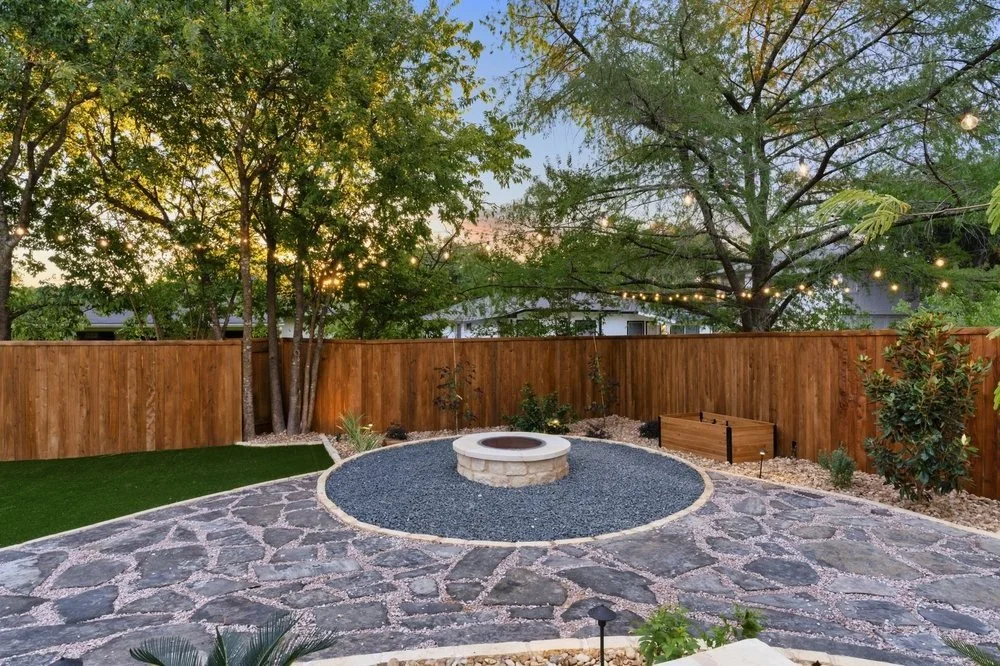
Give Esperanza space behind the main seating arc so it can fill out without crowding conversation. A setback of several feet from the pit’s rim preserves airflow and protects leaves from heat stress. Plant into well-drained soil, top with gravel rather than bark near the fire ring, and stake young stems in windy areas until the base thickens.
Maintenance stays simple. Trim after peak bloom to keep a balanced shape, and let the plant rest after the first frost before cutting back woody stems. In containers, choose large, heavy pots that will not tip and place them just outside the main heat zone. Whether in-ground or in pots, the bright bells catch a little firelight and make the firepit feel like a destination, not just a feature.
Conclusion
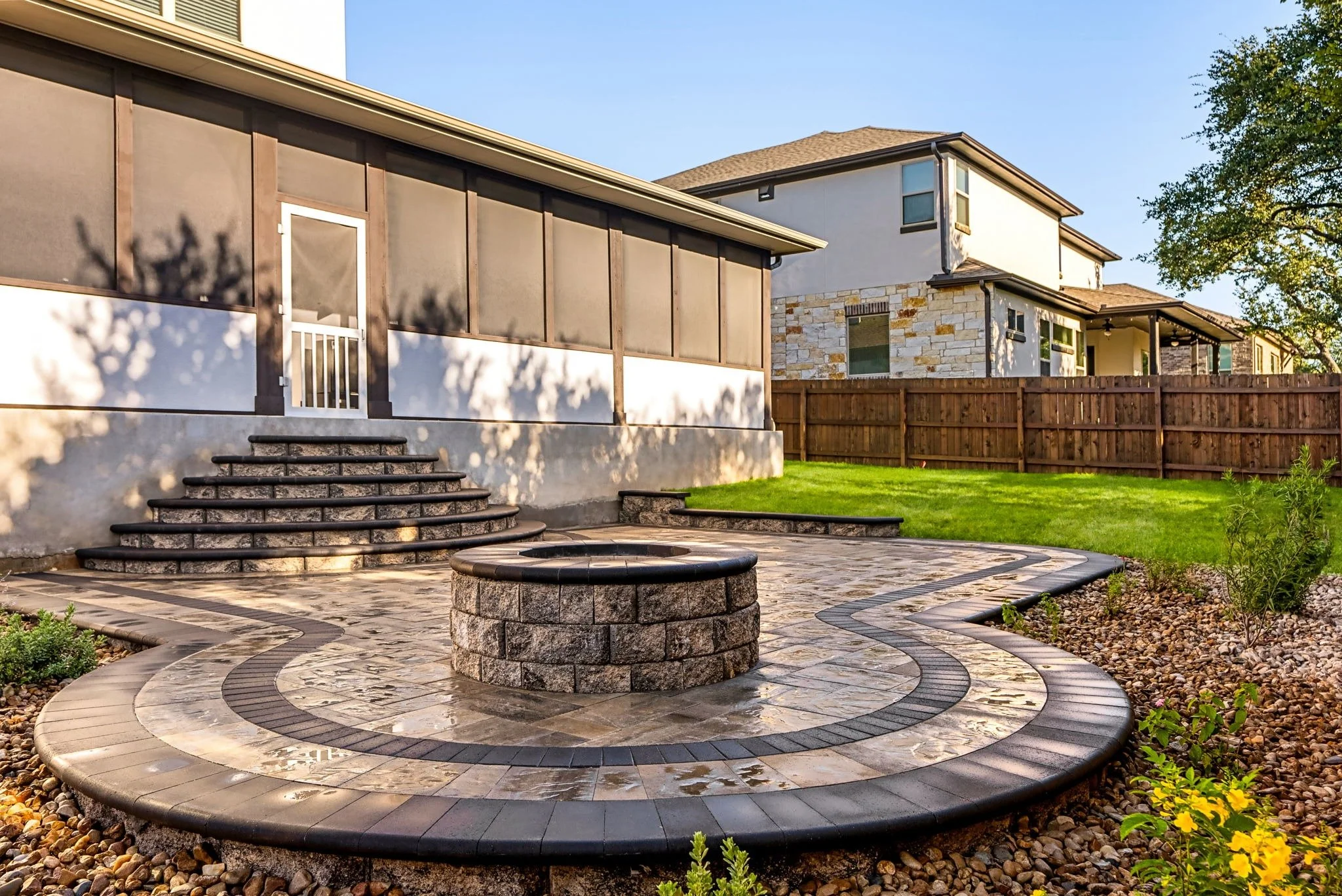
Firepits bring people together, and the plants around them can set the whole mood. Native picks like Texas sage, lantana, and esperanza handle heat, ask for little water, and frame the flame with color and texture that last. If you want a curated plan that looks beautiful from the first spark and remains easy to maintain through the season, contact us. With Southern Love Landscaping, expect us to schedule a walk-through, ask quick questions, or request a tailored planting design around your firepit.
We're now accepting new clients, call now to speak with a representative.