
Materials for Retaining Walls That Can Survive in Austin TX
Introduction: It’s one thing to build a wall that looks pretty aesthetically pleasing. It’s another to build a retaining wall that resists the Austin TX heat, surprise cloudbursts, and clay soil that swells when wet, then tightens as it dries. That’s the reality on the ground floor, and it’s why material choice matters more here than almost anywhere else. If the goal is a wall that holds grade, moves water, and looks good season after season, the material is the key to a healthy lawn. The following guide breaks down real-world favorites, where they shine, where they struggle, and how to set them up for long-term success.
Retaining Walls That Stand Up To Austin TX Soils And Weather
Limestone Block Vs. Concrete Block In Central Texas Heat
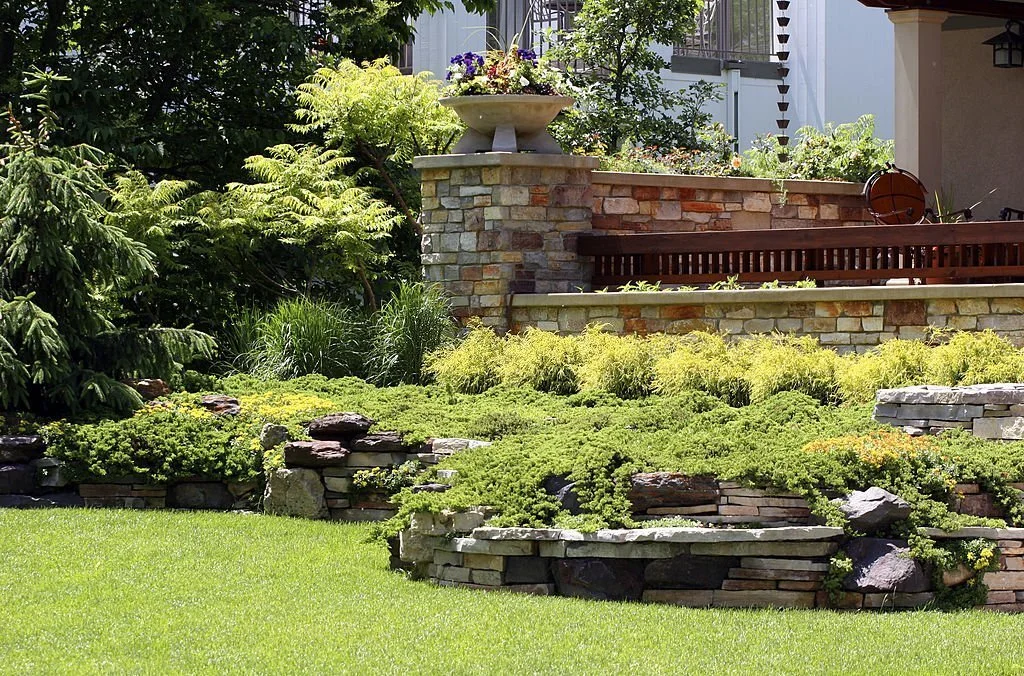
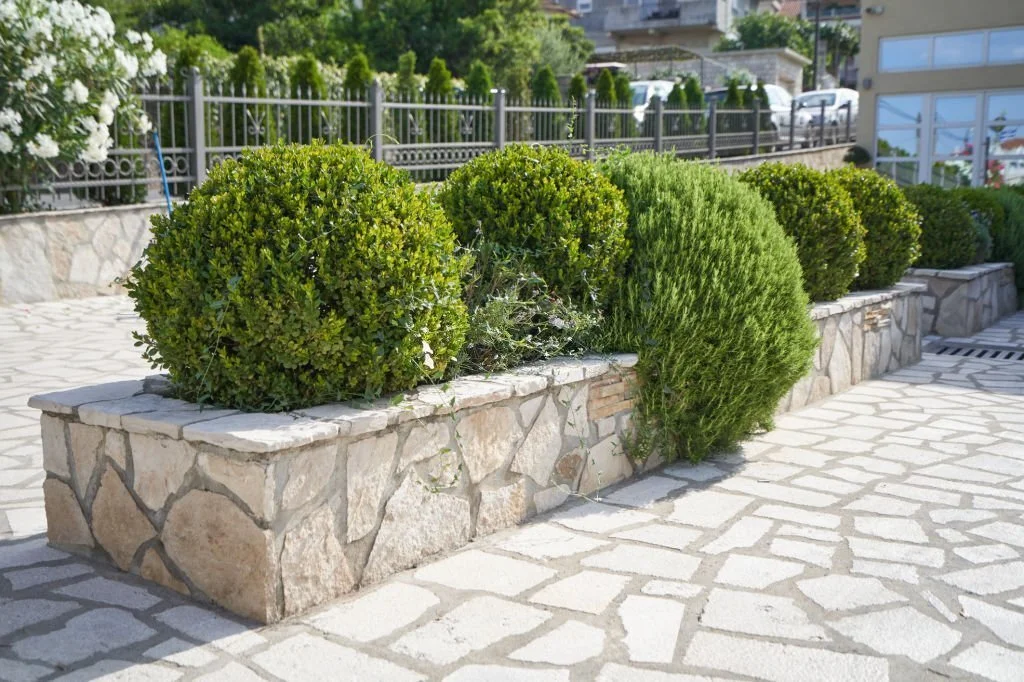
December is a great month to plan for retaining walls in Austin TX. Cooler air, slower schedules, and a chance to think ahead before spring storms roll in. This is the moment to decide which materials actually belong in a hardworking hardscaping build, and which ones are better left on inspiration boards. Texas limestone is an excellent option. However, the key is choosing structural-grade blocks, not soft veneer. Softer stone can flake as temps swing and water cycles through pores. Good limestone, paired with clean crushed stone backfill, stays cooler than many materials and resists UV beautifully, which keeps color consistent through Austin TX summers.
Segmental concrete retaining wall blocks, the workhorse of modern hardscaping, earn their spot for a reason. They’re engineered with interlocking lips or pins, designed to flex slightly without cracking, and they handle Austin TX’s expansive clays with the right geogrid reinforcement. Heat doesn’t faze them, and colorfast pigments keep fading to a minimum. For taller walls or tight curves around trees, concrete block systems offer predictable performance and clean lines that read modern without feeling sterile.
Poured Concrete And Reinforced Systems For Expansive Clay
When soil pushes, and slopes are steep, poured concrete can be the steady, stoic option. Poured walls deliver monolithic strength, which helps when the goal is to resist heavy lateral loads. Properly designed footings, rebar cages, weep holes, and a perforated drain wrapped in fabric-backed gravel make all the difference. Skip any of those pieces, and pressure builds. Include them, and poured concrete becomes a long-haul solution that still accepts a stone veneer if a natural face is preferred.
Hybrid approaches also make sense in Austin TX. Think concrete block with geogrid in reinforced tiers. Those layers tie back into the compacted soil mass, creating a single, stable structure that doesn’t fight the clay; it partners with it. Set the base course dead level, step back with each row, and keep drainage rock continuous from top to toe. The result is a durable wall that tolerates seasonal movement without incurring hairline cracks.
Retaining Walls Materials That Manage Water Right
Drainage, Geogrid, And Base Prep For Long-Lived Walls
Materials get the headlines, but water writes the story. A wall can be built from the finest block available and still fail if hydrostatic pressure builds behind it. A crushed stone base, compacted in lifts, creates a solid platform. A vertical chimney of clean, angular rock behind the wall lets water drop fast, and a socked perforated pipe at the base guides it away. Geotextile fabric separates that drainage zone from native clay, so fines don’t clog the system the first time Austin TX gets a multi-inch soaker.
Geogrid is the quiet hero on taller installations. It looks like a synthetic mesh, but it behaves like an anchor. Locked between block courses and embedded into compacted backfill, the geogrid increases the effective mass of the wall. That means less bulge, less settlement, and far more confidence when storms whip through. Whether the face is limestone or a contemporary concrete unit, the system's hidden bones come from good prep and smart reinforcement, not guesswork.
Gabion Baskets And Permeable Stone Walls For Flood-Prone Yards
Gabions don’t whisper; they declare. Steel baskets filled with angular rock create heavy, permeable structures that let water move right through. In low spots that pond after a cloudburst, gabions act like armor. They’re ideal where culverts meet open channels or where a slope needs riprap strength with a tidier, designed feel. When sized correctly and set on compacted subgrade, they resist scouring that might undermine a lighter wall.
Dry-stacked stone walls, when built with purpose-cut material and proper backfill, can also perform in Austin TX. The natural joints allow tiny water releases, so pressure never gets a foothold. These are not loose garden borders. They’re intentionally keyed and battered, with larger stones set toward the base and every void filled. Add a discreet drain behind the structure, and you have a breathable solution that wears weather gracefully and pairs beautifully with native hardscaping elements.
Retaining Walls Material Choices For Style And Maintenance
Weathering Steel, Stone Veneer, And Mixed Hardscaping Looks
Corten, often called weathering steel, brings a rugged, modern warmth. It develops a protective patina that seals the surface while delivering a russet tone that complements limestone and concrete. In Austin TX, the trick is detailing. Isolate the steel from constantly wet soil with a gravel buffer and drainage mat, and protect adjacent paving from initial runoff during the early patina phase. When detailed thoughtfully, weathering steel garden walls look custom and age in a way that feels intentional rather than tired.
Stone veneer over a structural core is a flexible path for homeowners who want the heritage look without the full mass of quarried blocks. A poured or block wall provides the backbone, and a natural or cast-stone veneer brings the texture. It’s a practical way to echo the home's existing masonry, tie into other hardscaping like steps or seat walls, and still benefit from engineered strength. Keep capstones slightly overhung to shed water cleanly and prevent streaking on faces.
When Timber Makes Sense In Austin TX And When It Doesn’t
Pressure-treated timber can be a viable option for small, low walls where budgets are tight and a rustic look fits. The wood must be rated for ground contact, posts should sit on gravel footers, and every contact point should have drainage paths to prevent moisture from lingering. Even with those precautions, Austin TX, humidity swings and termite pressure ask a lot of timber, so its role is best kept modest and well detailed.
For larger grade changes or walls that must endure heavy runoff, timber steps out of its depth. The reality is that soil movement and constant wet-dry cycles invite twisting and checking over time. Concrete block, dense limestone, gabions, or poured concrete offer better longevity and lower long-term fuss. If the warmth of wood is desired, it can be used as a cap or bench element set above the critical structure, where it can be maintained like furniture rather than as foundational infrastructure.
Conclusion
If a retaining wall is expected to last in Austin TX, materials and details have to be selected with the climate and soils in mind, not just how it looks. The safest bet is a system that manages water proactively, leverages reinforcement where needed, and pairs a structural core with finishes that fit the home’s style. If time is tight and the options feel overwhelming, there’s no need to worry. Southern Love Landscaping builds in this region day in and day out, and they’re happy to walk the site, read the slope, and recommend a design that looks and functions just right. When the goal is a wall that’s still solid for years and years to come, reach out to schedule a friendly consultation and get a plan that fits your personal timeline and budget.
We're now accepting new clients, call now to speak with a representative.