
Resilient Patio Design For Austin’s Weather For All Year Long
Introduction: December in Austin TX, can sometimes feel like two seasons in one week. One day it is sunny and mild, and the next morning brings a sharp cold front. Then the rain arrives just when people want to host an outdoor party. That’s exactly why a patio should be designed for the whole year’s weather, not just for the “nice days.” This blog outlines key factors for keeping an outdoor space comfortable, safe, and well-maintained year-round!
Patio Planning For Austin Heat, Rain, And Surprise Freezes Now
Pergolas For Shade When Austin Sun Is Brutal
In Austin TX, to put it bluntly, the sun can be the biggest ‘bully’ in the yard ( even in the fall or winter). A patio that gets hit by the full afternoon sun can feel great in March, then become hard to use and walk on in July. Good landscape design starts with where the seating will go, what direction it faces, and how the house throws shade at different times of day and year. It also helps to picture your real-life schedule: kids coming and going, someone carrying sticky food across it, and guests wanting a place to sit. When the layout supports daily life, the space feels natural.
Shade helps, but it must be built correctly for this area. Pergolas are popular for defining the space while maintaining an airy feel, and they can be paired with screens or a slatted top, depending on the sun angle. The key is ensuring posts are set on proper footings and connections are strong, because gusty days and sudden storms are part of living here.
Pavers That Handle Heat Swings And Drain Well
Material choice is where weather resistance really shows itself. A surface that looks amazing in a showroom can become a headache when exposed to high heat, large temperature swings, and moving water. For a patio, pavers need adequate traction when wet and should remain comfortable enough that people do not avoid walking on it during peak summer. Color also plays a role, as very dark tones can heat up quickly in direct sunlight.
The build under the surface is just as important as what people see on top. Water must have a clear path to drain away from the house, and the grade must be designed to prevent puddles from forming where people sit or walk. Joint spacing and edge restraints help materials accommodate expansion and reduce shifting over time. The goal is simple: the surface stays flat, drains well, and feels good underfoot.
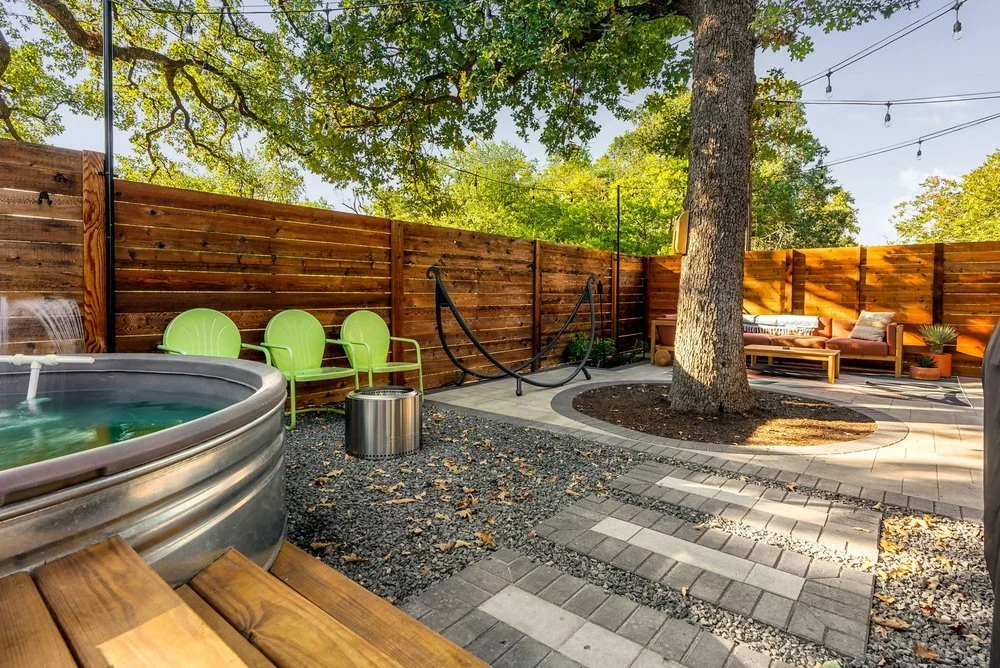
Patio Foundations Built For Clay Soils And Flash Storms
Pavers Need A Strong Base In Austin Clay Soil
Clay soil is common around Austin TX, and it has a distinct character. It retains water longer than people realize, then dries out and tightens, and that movement can stress hardscape work if the base is not prepared correctly. A patio build should start with excavation that matches the design, followed by base layers compacted to support the actual weight and traffic. This is not the fun part to discuss, but it is the part that determines whether the surface remains smooth over the years.
It also helps to design with stormwater in mind, not just daily sprinklers or light rain. Austin TX experiences heavy downpours that can occur quickly, and the water needs a place to go other than pooling against the house or running through planting beds. A good contractor plans drainage routes, sometimes incorporating drain inlets or gravel channels, depending on the yard. In some yards, retaining walls are part of the solution, especially when grade changes are sharp, and soil must be retained near the outdoor living area.
Pergolas And Overhangs That Handle Windy Days
Covering and sheltering can make an outdoor space more usable, but only if it is designed for real weather. Wind can funnel through side yards, and a poorly anchored structure can creak, rack, or start pulling at connections after a few seasons. A smart approach is to plan posts, beams, and hardware as part of the overall layout rather than as an afterthought. It also helps to think about rooflines and runoff. If a cover directs water onto the edge of the hardscape, the splash zone can cause staining and muddy areas that are difficult to clean.
A patio also needs room to “work” with the house, not against it. That means planning where downspouts release water, where gutters drain, and whether the space needs a dry entry point for the back door. Lighting placement matters, too, because winter in Austin TX, gets darker earlier, and people still want to use their outdoor seating when the sun goes down. These details can make the difference between a space used weekly and one that sits empty.
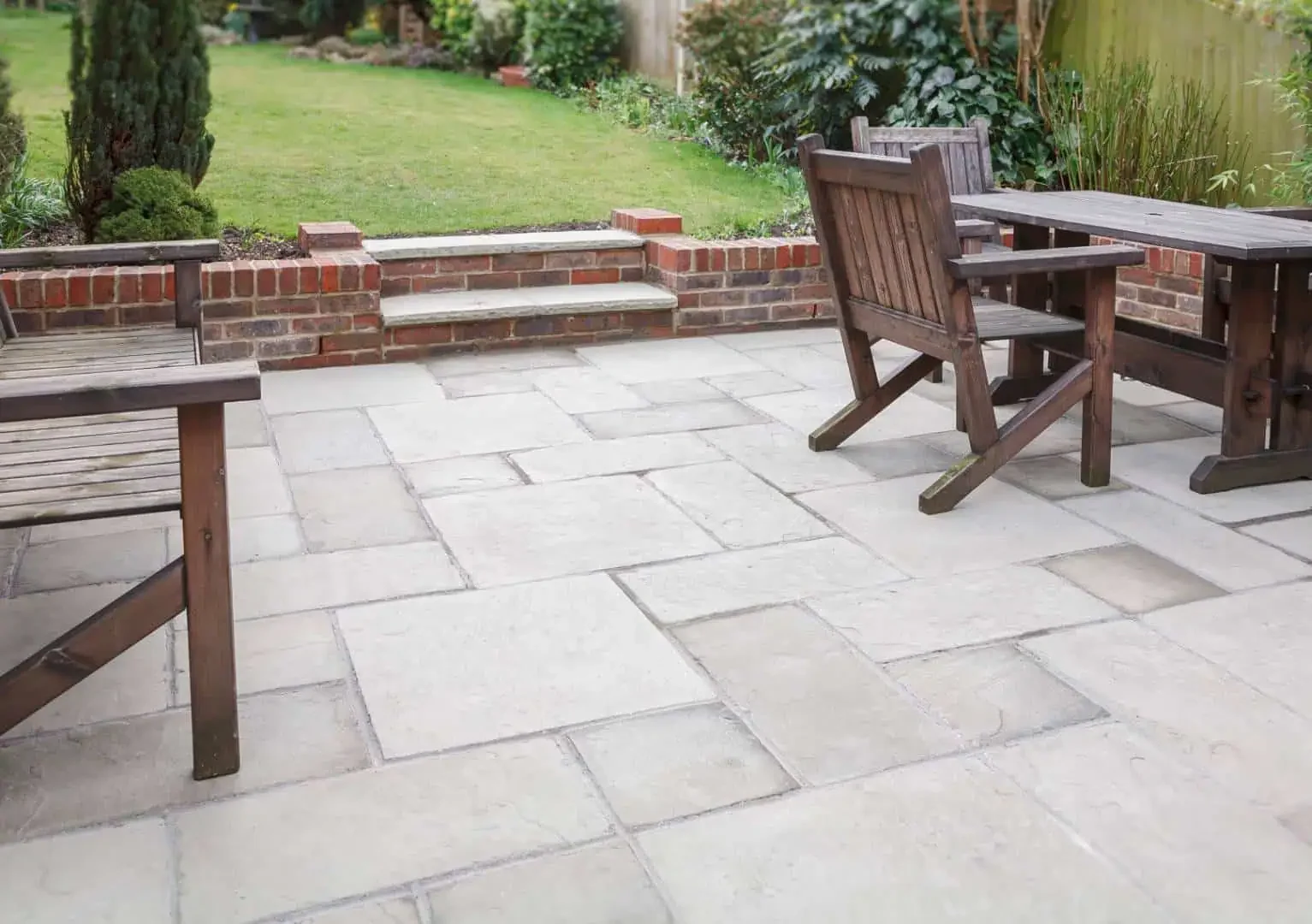
Patio Comfort Features That Stay Safe All Year Round
Pavers Joints That Stay Neat After Heavy Rain
Safety is not just about slips and trips; it is also about how the space feels when the weather changes. In cooler months, a damp surface can remain wet longer in shaded areas, making it feel slick even if it looked fine during a dry season. For a patio, grip matters, as does the rate at which water drains from the surface. Drainage paths should be kept clear to prevent debris, weeds, and mud from accumulating. A clean edge along planting areas also helps keep soil from washing onto the walking surface after storms.
Comfort is tied to how the space handles heat and glare. In summer, people want shade and air movement; this is why seating layout and spacing are important. Materials that reflect excessive glare can be surprisingly irritating in bright sunlight. Furniture placement should allow easy walking and avoid blocking door swings or access to the grill. When the space is designed with real movement in mind, guests do not feel cramped, and homeowners do not feel compelled to “figure it out” every time they host.
Pergolas And Lighting That Feel Good At Night
A good outdoor space in Austin TX, should not rely on perfect weather to be enjoyable. That’s why lighting deserves more attention than a single fixture by the back door. The most inviting setups usually combine soft ambient lighting with brighter task lighting near cooking areas, and the rest is about balance. Glare in someone’s eyes is annoying, but a space that is too dim can feel unsafe. The goal is for people to see where they’re going and still feel relaxed enough to stay outside.
A patio that holds up year-round also benefits from thoughtful “extras” that are not really extras. Simple windbreaks, smart furniture choices, and shade planning can help the space remain usable in all seasons. In December, people often enjoy an outdoor dinner because the air can feel crisp but pleasant, especially with a warm drink and good lighting. When the design supports that kind of moment, the space becomes part of the home rather than sitting unused. That is what year-round living should feel like.
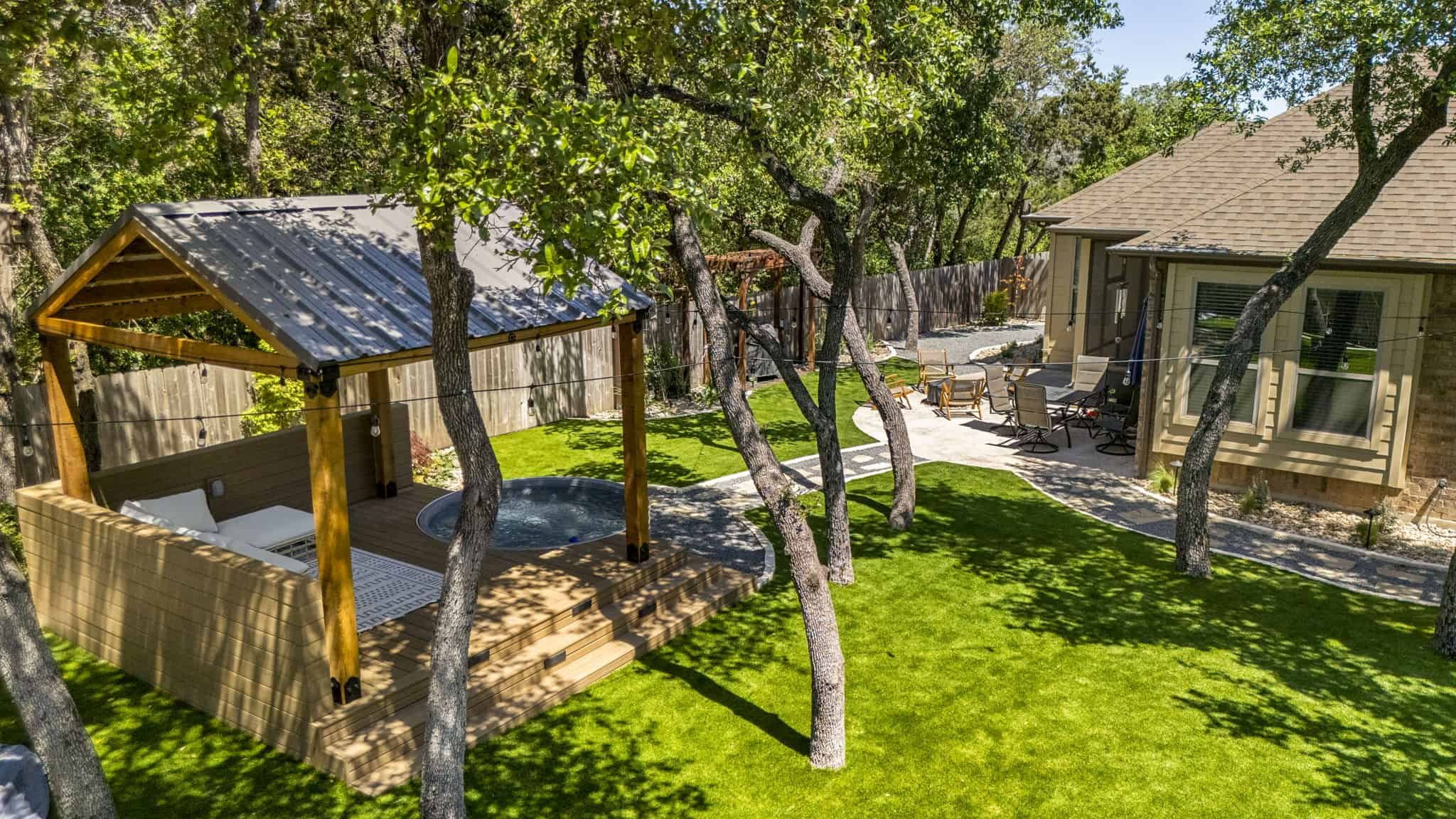
Conclusion
A resilient outdoor space in Austin TX, starts with specific planning that accounts for the heat, the storms, and the occasional cold snap. The best results come from selecting materials suited to the climate, building a strong foundation on local soil, and shaping the space so water flows where it should. If your goal is an outdoor area that still looks great years from now, Southern Love Landscaping & Design brings experienced craftsmanship to help you design your patio and make the process easier from start to finish. Reach out and let’s talk about your yard!
We're now accepting new clients, call now to speak with a representative.