
Building Austin Pergolas: Is Your New Footing Safe in a Freeze?
Introduction: A pergola looks simple once it’s finished, but in January, homeowners in Austin TX, start asking the real question: what happens if a cold front arrives right after the concrete is poured out? Most of these concerns focus on the footings and any fresh finish work. This blog will help homeowners understand what can go wrong, what usually turns out fine, and how to plan the build-out without jeopardizing the final results.
How January Weather Affects Austin Pergola Footings
Managing Your Outdoor Living Spaces When the Temperature Drops
Concrete footings are the hidden part of a pergola that does the heavy lifting. They prevent posts from sinking, shifting, or wobbling when the soil becomes wet and then dries out. In Austin TX, January can flip fast from a warm afternoon to a chilly night, and that swing matters during the first stretch after a pour. When concrete gets too cold too soon, the surface can weaken, and the inside can take much longer to gain strength.
Many pergolas are built to shade patios, outdoor kitchens, or seating areas where the family already gathers. When those spaces are tied into existing grades, the footing layout must account for drainage to prevent water from accumulating around the posts. Winter work can still look tidy, but the crew has to treat the site like a home, not a jobsite.
Ensuring Structural Hardscaping Safety in Frozen Soil
Fresh concrete is not instantly “done” just because it looks firm on top. It is still building strength inside, and a sudden freeze can damage it before it has a fair chance to cure. That risk is highest immediately after placement. In many cases, the best move is to wait a day or two for a warmer window, especially if the overnight forecast is close to freezing. Protecting new concrete in that early stage is one of the biggest differences between an average install and a long-lasting one.
Hardscaping experience matters here because the details are small, but they add up. A footing should be dug into stable soil, not loose fill, and it should be shaped so water does not funnel toward the post. The crew must keep muddy spoil piles away from the work area to minimize freezing effects. Winter builds can absolutely work, but they reward careful prep, not rushing.
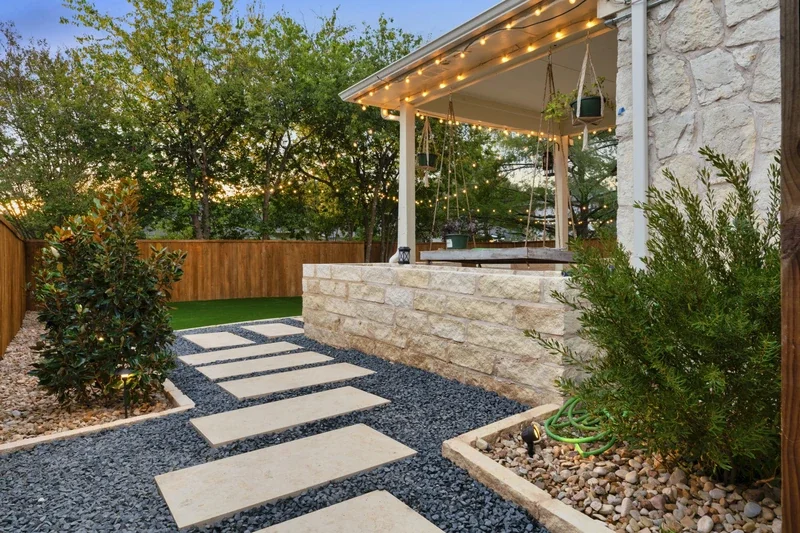
Austin Pergola Guide: Managing Finish Work in a Freeze
Why Outdoor Living Spaces Need Proper Cure Time
A pergola build is not only about the holes and the concrete. There is also finishing work that makes everything look crisp, such as post alignment, hardware placement, trim, and clean edges where the structure meets the yard. In January, the main challenge is that curing and drying times can stretch out longer. Concrete may feel solid enough to touch, but it can still be weak beneath the surface, especially when nights are cold and days remain cloudy. That is why outdoor living spaces built in winter often require a little more patience.
Homeowners sometimes ask if it is safer to pour the footings and wait to set the posts later. That can be a smart approach when a cold front is approaching, as it allows the concrete to gain strength without stress. It also prevents the final work from being rushed in adverse weather, which can lead to crooked posts or hardware requiring rework later. If the pergola is part of a larger yard plan that includes a new patio, winter scheduling can help everything proceed in the right order.
Hardscaping Red Flags: How to Tell if a Footing Froze
It helps to know what freeze damage can look like, because it is not always dramatic. Sometimes the top layer becomes dusty or flakes off, sometimes small cracks appear around the edges, and sometimes the concrete simply never feels as strong as it should. Corners and exposed edges tend to be more vulnerable because they lose heat faster than the middle. If a homeowner notices surface crumbling or unusual cracking, it is worth pausing the build and letting a pro take a closer look.
Hardscaping crews also keep an eye on the bigger picture, not just the footing itself. If the soil around the hole retains water, a cold night can result in a muddy mix of soil and chilled concrete. The same applies to any additives or accelerators, which can help concrete set faster but do not prevent freezing. That is why covering and temperature control still matter, even when a mix is designed for cooler weather.
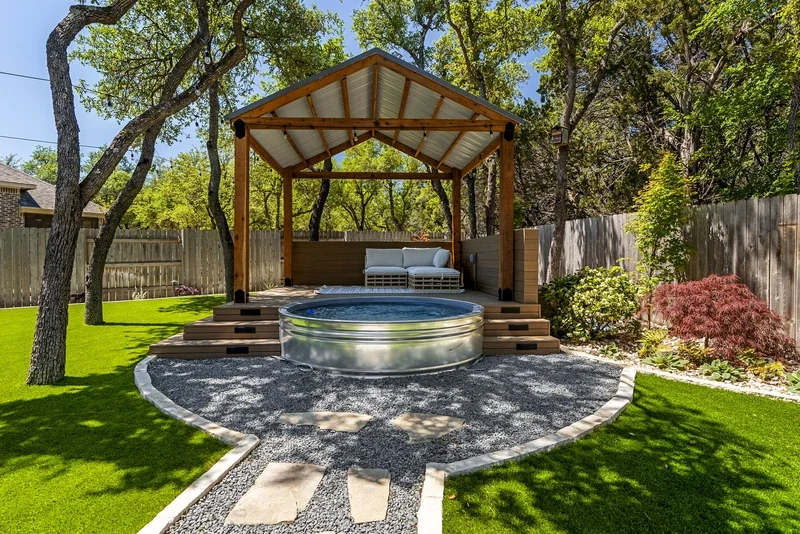
Timing Your Austin Pergola Build Between Cold Fronts
Maximizing Your Outdoor Living Spaces with a January Start
January is a good time to schedule projects because the calendar is less crowded than in spring and early summer. That said, Austin TX winter weather has a personality, and a cold front can appear with very little warning. Smart scheduling often means choosing a pour day with a buffer, so the footing has time to cure before the coldest night arrives. This is also a good moment to discuss landscape lighting placement, as posts and beams can affect where the light looks best later.
If the pergola is being installed near pavers or a walkway border, the contractor should protect those surfaces before any digging begins. That might include temporary coverings, clean soil staging, and careful cuts to prevent edge crumble. Winter mud is not a fun surprise, but it is manageable when the work is organized.
Protecting The Hardscaping During Your Pergola Build
The best winter builds are the ones that plan for protection before the first shovel goes in. That can mean having insulated blankets ready, using plastic to keep rain off fresh work, and creating wind screens against cold breezes. It also means knowing when not to pour, because sometimes waiting for a better day is the most professional choice. Finish work benefits from the same mindset, since wood, fasteners, and stains all behave differently in cold, damp weather. A pergola can still look beautiful in January, but the process should feel controlled, not chaotic.
A strong hardscaping mindset also supports the space's long-term appearance. Even if the pergola is the main feature, the surrounding grades, drainage paths, and transitions keep the area usable year-round. When the footing work is protected, and the finish work is completed under proper conditions, the structure feels solid, and the details remain sharp. Homeowners should feel comfortable asking how the crew protects fresh concrete, because a confident contractor will have a clear answer.
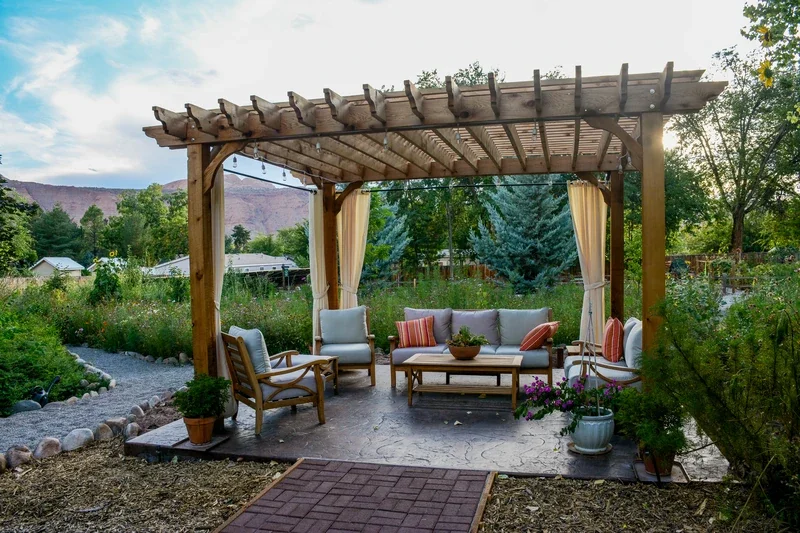
Conclusion
A cold front or freeze can damage fresh concrete, but it does not mean January builds are a lost cause in Austin TX. The key is to protect the pour during early curing, then pace the finish work so nothing is locked in before it is ready. If a homeowner wants an outdoor upgrade without second-guessing the forecast, we at Southern Love Landscaping & Design can help plan pergola builds around the right timing. Contact us today, and we’ll walk the property and put together a plan you can feel confident about from day one.
We're now accepting new clients, call now to speak with a representative.