
Smart Hardscaping: Is January Best for Patios and Driveways?
Introduction: Homeowners ask this every winter: Is this a good time to start outdoor construction, or is it smarter to wait until spring? January can work well for the right project, but it depends on yard conditions and materials. A good hardscaping plan does not start with a calendar date; it starts with what is happening in the soil, the weather patterns, and how the space will be used later. Keep reading, and this will feel less like a guess and more like a crystal clear decision.
Hardscaping In January: How Cold Nights Affect Build Days
Keeping The Base Dry For Patios
January work can be great for building a patio ready for spring use. But the base is the whole name of the game, especially when the yard has heavy clay that holds water. If the ground is soggy after winter rain, a crew may need to wait for better weather before excavation, as wet soil does not compact as well. That matters for patios, since a base that remains damp can settle later, creating low spots that retain water. A careful hardscaping build uses the right base thickness, proper compaction, and a layout that respects drainage rather than fights it.
Cold nights also change how certain materials behave, even if daytime temperatures feel mild. For pavers, the biggest concern is not the pavers themselves; it is the bedding layer and joint material, because moisture combined with a temperature drop can cause shifting if the base is not finished correctly. For mortar-set stone, timing is even more critical because adhesives and mortar require predictable curing conditions. A smart hardscaping schedule in January often focuses on solid preparation, clean edges, and steps that can be protected if the weather turns.
Building Winter Driveways: Why the Forecast Matters
Concrete work in winter is not impossible, but it requires more planning and closer monitoring of the forecast. If nights dip below freezing, concrete curing can slow, which affects early-day strength. A good hardscaping contractor will discuss timing, protection methods, and whether the site receives shade that keeps surfaces cooler for longer. Driveways can be built in January, but it helps when the forecast shows a warmer stretch, so finishing and curing are not rushed.
The other piece is access and staging, because winter weather can quickly turn a yard into a muddy mess. If a site requires crossing with equipment, the crew may use protective mats or adjust the route to avoid damaging the lawn. That is not just about appearances; it is about keeping the subgrade stable so the work area stays usable. Hardscaping projects move faster when the site remains clean and workable, and winter rain can disrupt progress if the property does not drain well.
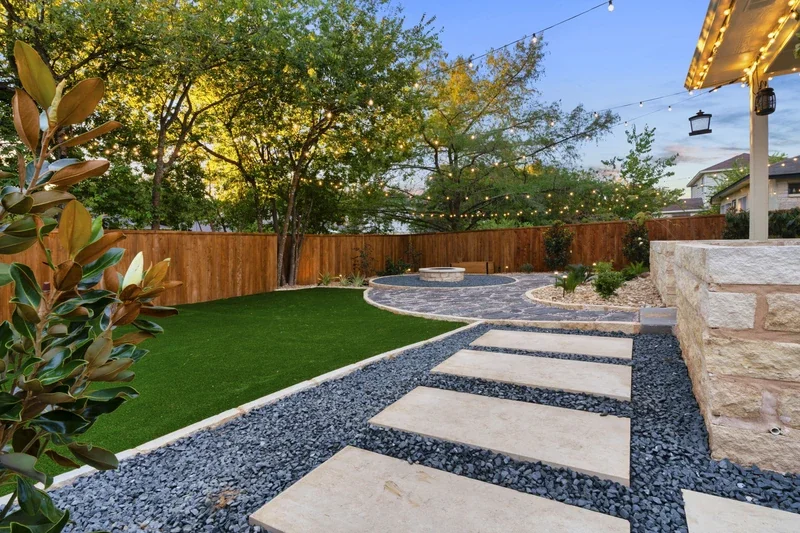
Easier Hardscaping Construction Scheduling For Busy Homes
Patios In January: Picking Pavers And Colors?
Many homeowners view construction as the hard part, but planning is what keeps a project from feeling messy and drawn out. January can be a helpful time to lock in design choices because there is often more breathing room in the schedule for site visits, layout tweaks, and material selection. Hardscaping decisions like paver color, border style, step placement, and seating walls feel easier when they are not rushed. This is also a good time to assess how the sun hits the yard in winter, as it can reveal shade patterns that affect comfort later. Even if construction starts a little later, planning in January can prevent costly changes once work begins.
Material lead times are another reason winter planning helps, especially if a homeowner wants a specific paver style or a particular stone tone. Choosing early can help a project avoid delays that arise when spring demand increases. Hardscaping is not just blocks and concrete; it is how everything ties together, including drainage, edging, and how the space meets the lawn.
Pour Windows That Work For Driveways
Vehicle access is critical to scheduling and can make or break the homeowner’s experience during construction. A winter timeline can be easier to manage because there may be more flexibility to pick a work window that fits the household’s routine. Hardscaping work at the front of the property often needs clear communication about parking, trash pickup, and daily access to the garage. When those details are well planned, the project runs more smoothly.
Some properties also benefit from winter visibility because lawns are not growing as fast, and planting beds are less full, making grading issues easier to see. That matters for water control, since front-yard runoff can damage concrete edges or wash material where it should not be moving. A good hardscaping plan will account for downspouts, slope, and the rain flow path. When the front yard drains well, and the forecast supports it, January can be a smart time to complete the work and enjoy the finished look sooner.
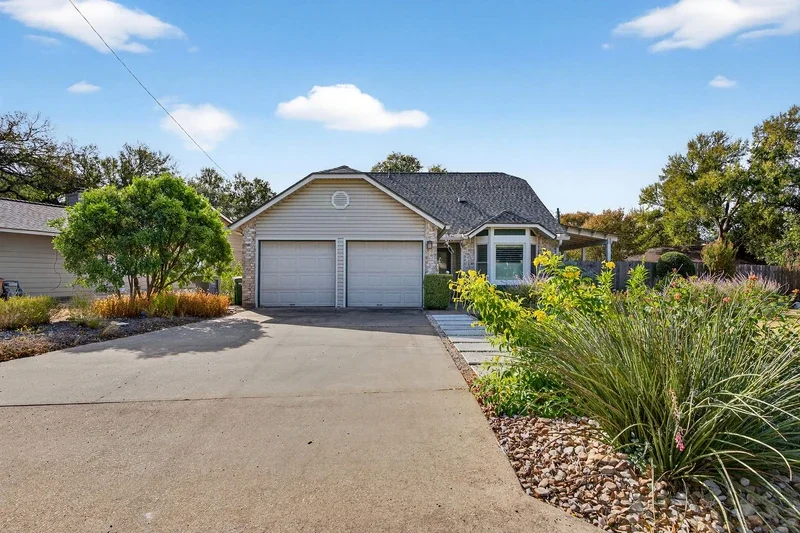
Hardscaping Decisions: When To Build Or Hold Off A Bit
Patios That Should Wait: Drainage Comes First
Sometimes the best decision is to wait. When the yard remains saturated for days after a rain, the soil becomes sticky and soft, compromising the base work. Hardscaping is only as strong as the ground beneath it, so a contractor may recommend waiting until the site is sufficiently dry to achieve proper compaction. This is common in low areas of the yard, near downspouts, or anywhere water tends to collect.
Another reason to pause is when the design depends on prior changes, such as regrading a slope or correcting a drainage route. If water is already moving toward the house, adding new surfaces without addressing the underlying issue can worsen the problem. A good contractor will explain what needs to happen first and why, instead of just starting and hoping it works out.
When January conditions are not ideal, waiting a bit can lead to a stronger base and a cleaner finished look.
Addressing Overdue Driveway Repairs in January
There are also plenty of January situations where moving forward makes sense, especially for repairs or replacements that are already overdue. If a driveway has cracking, settling, or broken edges that create trip hazards, winter is a practical time to address them before spring rains worsen the damage. The goal is not to rush; it is to select a weather window that supports clean finishing and proper curing.
Walkways also fit well into winter schedules because they can often be built in phases and improve daily life immediately. A slippery path or uneven step is not something a homeowner wants to deal with through the rest of winter. The key is selecting the right January window, ensuring drainage is addressed, and working with a crew that knows how to protect materials in cooler weather. With the right approach, January can be a smart time to start and still end up with a finished surface that holds up beautifully.
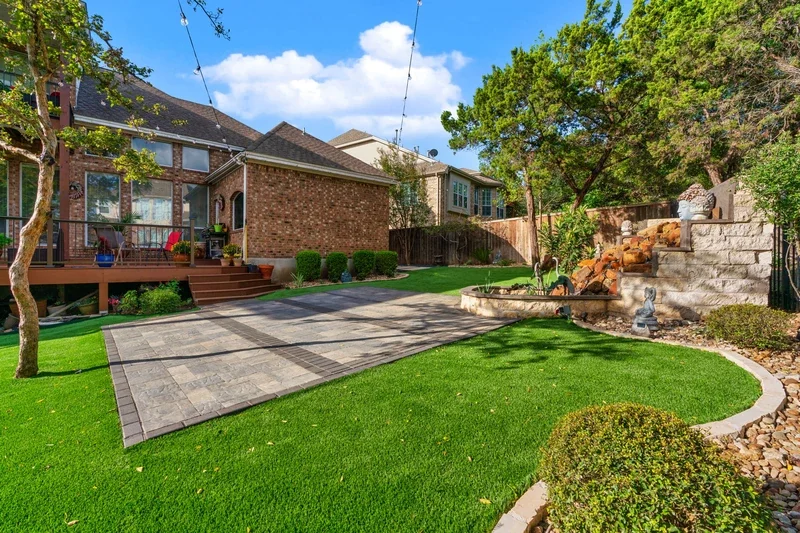
Conclusion
January can be a good time for outdoor projects, but the best answer depends on the yard, drainage, and weather patterns that week. When the ground is workable and the plan is solid, hardscaping can proceed in winter without compromising quality. If you want a clear plan for your property, we at Southern Love Landscaping & Design would love to help you sort out timing, materials, and the best layout for how you actually live outside. Contact us today, and we will help you take the next step with confidence.
We're now accepting new clients, call now to speak with a representative.