
How to Design a Seamless Outdoor Living Space in Austin
Introduction: A beautiful outdoor living space should feel like an extension of home, not a separate stage set. When hardscaping and planting work together, the result is calm, inviting, and practical. The trick is balancing structure with softness so paths, patios, and planting beds feel like they belong together from day one. This guide explores how to blend hardscaping and landscaping to create a backyard retreat that matches your Austin TX, lifestyle.
Design Foundations For A Seamless Outdoor Living Space
Strategic Hardscaping Choices for Visual Harmony
Good design starts with a shared culture and location. In an outdoor living space, that culture is written in the color, tone, and texture of your landscape. Using a tight material palette, such as a paver patio paired with stone accents that echo the house veneer, keeps the eye at ease. Even small choices matter. Choosing joint sand that matches the stone’s undertone or gravel that complements the roof color helps everything read as a single environment rather than a patchwork.
Hardscaping earns its keep when it respects the architecture's lines and the site's mood. Softscaping makes those lines feel human. Consider the edge where a walkway meets a planting bed. A bullnose paver or steel edging gives a clean threshold. Then ornamental grasses or low native plants soften it with movement. The rhythm feels intentional because the hard line and the living border answer each other. That is how a patio stops feeling like an isolated island and can actually become a room people can settle into.
Flow, Scale, And Proportion In An Outdoor Living Space
People move through landscapes the way water moves downhill. Paths should invite guests, not force them through it. Curves work well when they are generous and purposeful, bending to frame a view or to skim a planting bed that is just wide enough to look lush. Straight lines are equally valid when they align with doorways and sightlines. Either way, the scale of a path, the span of a seating area, and the height of a retaining wall should match the scale of the home and yard. Oversized features shrink a yard. Undersized patios crowd furniture. Getting the proportions right makes the space instantly comfortable.
Elevation changes help define zones in an outdoor living space without closing it off. A single step from a dining terrace to a lounge nook creates a transition, and it can be achieved with matching pavers and a stone riser that ties into a short seat wall. Planting at the step edges keeps things grounded and safe. When there is a slope, terracing with a retaining wall and broad landings creates useful square footage while maintaining a polished look. In Austin TX, where many lots have gentle grade changes, a few well-planned steps can turn an awkward yard into layered rooms with great flow.
How Landscaping Enhances Your Outdoor Living Space
Blend Hardscaping with Lush Landscaping Layers
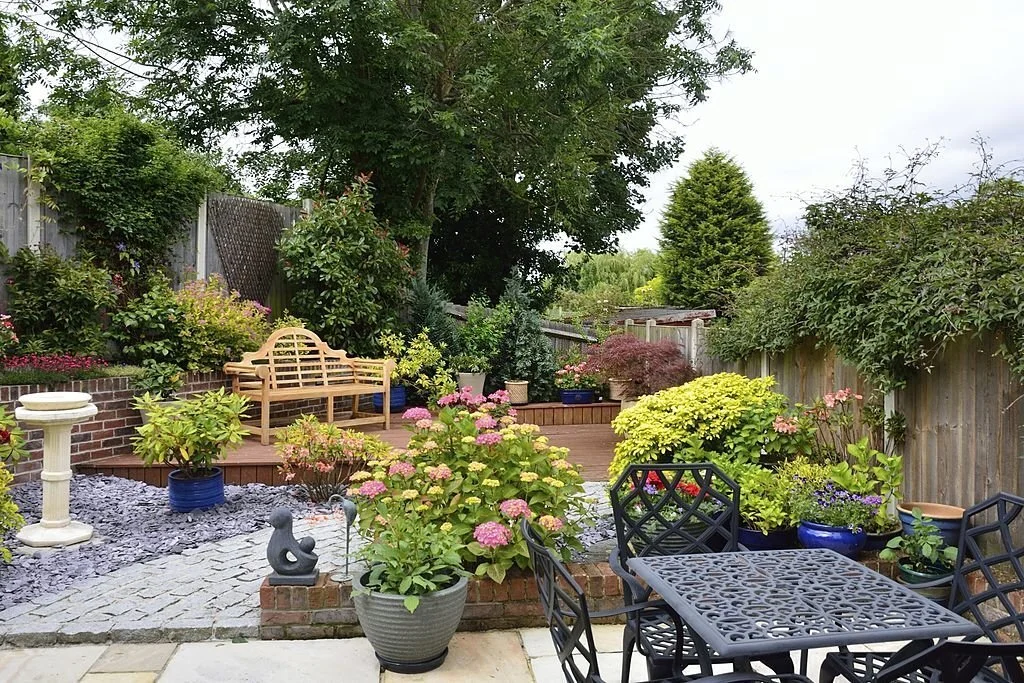
Planting is not filler. Landscaping is the connective tissue of an outdoor living space. Layered beds at the edges of a patio or along a pathway soften sightlines and pull the eye through the scene. Taller shrubs anchor corners. Mid-height perennials bring color near seating. Low groundcovers stitch gaps and keep mulch in place. This staggered height creates depth and hides the bases of vertical elements such as fences or pergolas, giving the overall scene a finished look.
Think about texture as much as color. Broad leaves next to fine blades, glossy foliage beside velvety foliage, and upright forms against mounding forms create contrast that reads well from a distance. Planting pockets between stepping stones or within cuts along a large slab walkway adds a lived-in feel. When hardscaping and plants literally touch, the outdoor living space looks established rather than newly installed, which is the goal most homeowners have on day one.
Select Landscaping for Multi-Season Comfort
A seamless outdoor living space should feel good in different seasons, not just look good during one month of bloom. Shrubs that retain structure in winter, perennials with staggered flowering windows, and ornamental grasses that sway in the breeze keep the patio visually active. If the yard is in full sun, light-toned pavers stay cooler, and a pergola with a climbing vine provides dappled shade without blocking the sky. When temperatures dip, evergreen shrubs frame the scene, keeping the hardscape from looking bare.
Plants also affect comfort. Trees that cast afternoon shade on the dining area, or hedges that baffle prevailing wind, can make the outdoor living space feel usable for more of the year. In regions like Central Texas, native plants tailored to heat and drought perform with less fuss, and they look right at home next to natural stone. This is where softscaping quietly elevates hardscaping. The patio becomes more than a slab. It becomes a place people gravitate to because it simply feels better.
Finishing Touches That Elevate Your Outdoor Living Space
Tie the Hardscaping Together with Smart Lighting
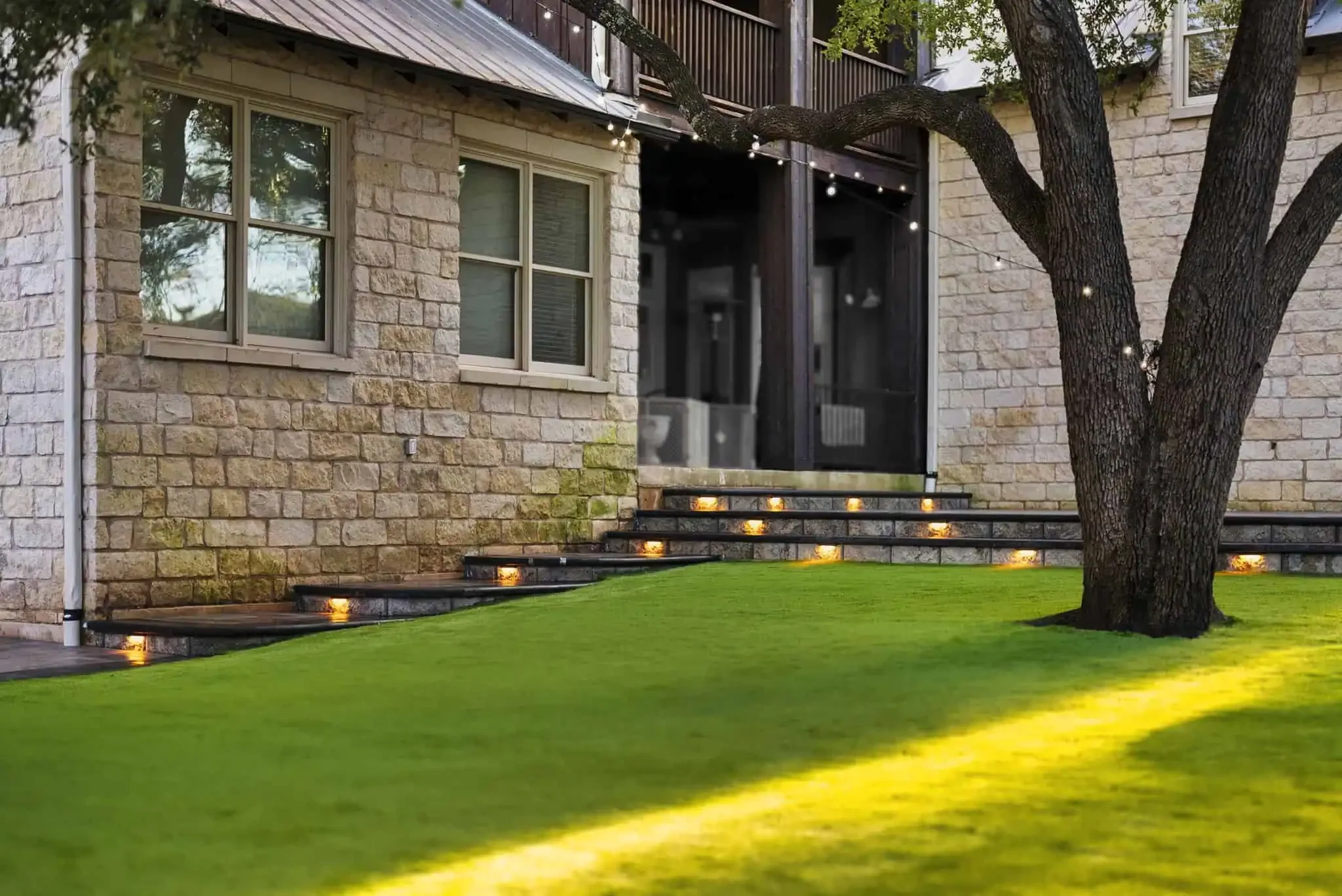
Landscape lighting is the final brushstroke. A few low-path lights that graze the edge of a walkway, recessed lights set into step risers, and a soft uplight at a specimen tree transform an outdoor living space into an evening destination. The key is a gentle contrast that guides feet and frame faces without glare. Warm-temperature bulbs flatter stone and wood, making dinner on the paver patio feel cozy rather than stark. If there is a water feature or a sculptural plant, a single accent light is often enough to make it sing after dark.
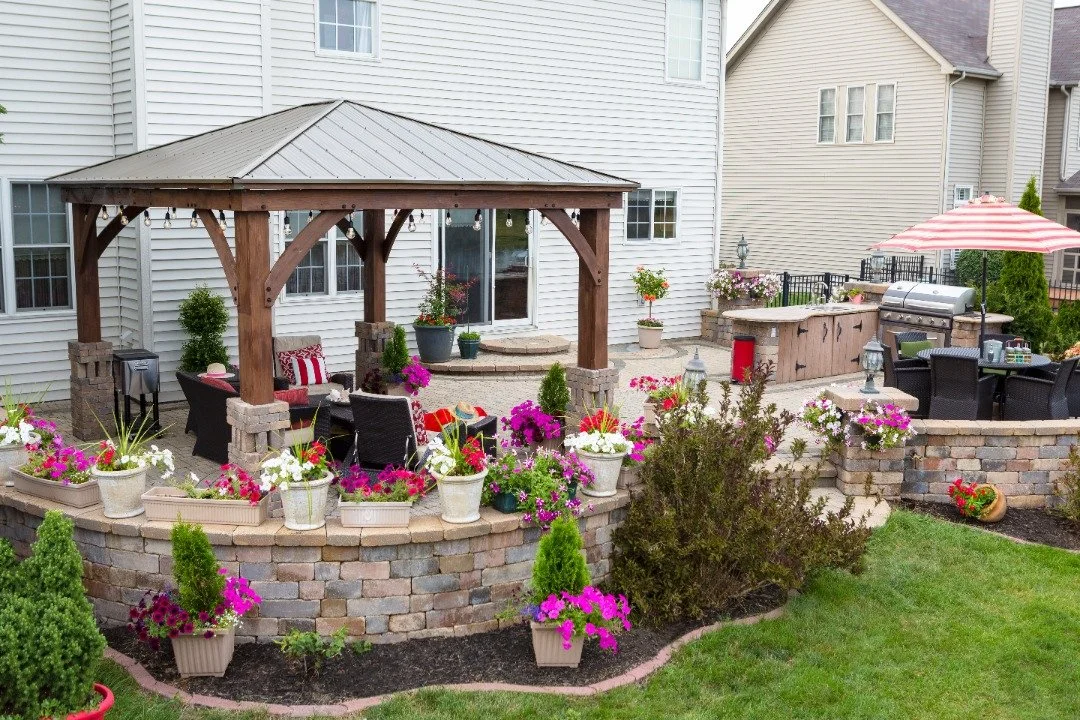
Furnishings tell people how to use the space. Deep lounge chairs around a fire pit invite lingering conversation. A sturdy table under a pergola says weeknight dinner is on. Fabrics should echo the hardscape tones so the cushions do not compete with the stone. Planters with herbs or compact shrubs bridge the gap between furniture and the ground plane, which keeps the outdoor living space feeling layered. Soft sound from a water feature, or even the hush of ornamental grass, completes the sensory picture in a way that feels natural rather than staged.
Long-Term Care for Your Hardscaping and Yard
A seamless look is only truly seamless if it holds up. Proper drainage protects a patio, walkway, and nearby planting beds, helping them age gracefully. Slight pitch away from the house, discreet channel drains that collect water, and permeable jointing in the paver field help move water without drawing attention. During heavy rains, a swale or river-rock band can double as a design accent. The goal is to keep the outdoor living space dry underfoot, the planting roots happy, and the foundation safe.
Maintenance decisions are design decisions. Materials with similar care cycles save time. If the patio is concrete or pavers and the planting is built with regionally appropriate species, seasonal upkeep becomes predictable. Mulch refreshes, occasional pruning, and a light, gentle clean of the hardscape are typically enough to keep things sharp. When a yard in Austin TX, is designed for the climate and lifestyle, homeowners spend more time using the outdoor living space and less time maintaining it. That is the real measure of success.
Conclusion
A thoughtful outdoor living space does not happen by accident. It happens when structure and softness collaborate, and every choice points toward comfort. If the next step feels big, it is okay to ask for help. Southern Love Landscaping & Design can shape a plan, build it with care, and refine the details so the patio, paths, and planting feel as if they were always there. Ready for a yard that feels as welcoming as your living room? Reach out to start a conversation, and let the team turn ideas into a space you love to use.
We're now accepting new clients, call now to speak with a representative.