
Your Critical Landscaping Guide For Austin Freeze Warnings
January in Austin, TX, can feel warm at lunch and then turn icy by bedtime, and that swing can catch a yard off guard. A freeze warning usually means temperatures are expected to drop to near or below freezing long enough to damage plants, turf, and irrigation components. Most homeowners can protect their outdoor space with a few smart steps. Keep reading to learn what to handle first, and what can wait until the sun is back out.
Austin Landscaping: Prep for Winter Freeze Warnings
Mulch Tips For Protecting Austin Plant Roots!
When a freeze warning is issued, the soil is the real battleground because roots are where much of the landscaping damage starts. Mulch helps by creating a layer between cold air and the ground. In Austin, that matters because the soil can warm up during the day and then cool fast after sunset. A homeowner who already has mulch down should check for thin spots, especially around young shrubs, perennials, and new planting beds. If the mulch has washed away from winter rain, topping it up before the cold arrives can make a noticeable difference.
Mulch works best when it is spread evenly, not piled up like a volcano against stems or trunks. A thick ring around the base of plants helps protect the roots, but the crown should remain clear so moisture does not pool and cause problems later. In landscaping beds with tender flowers or new groundcovers, mulch also reduces the freeze-thaw cycle that can push small roots upward. If a homeowner is adding mulch right before a cold night, it helps to water earlier in the day so the soil holds warmth into the evening.
Lawn Maintenance That Helps Turf Bounce Back!
A freeze warning can leave turf looking rough, especially for warm-season grass that prefers Texas heat. Good lawn maintenance before cold weather is less about making the yard perfect and more about avoiding extra stress. Grass cut too short is more exposed, and the soil surface cools faster, so mowing low right before a freeze is not advisable. If mowing is needed, a slightly higher cut helps protect the crown of the grass, which is the part that pushes new growth later.
Foot traffic is another issue that is often overlooked during landscaping preparation. Walking on frosty turf can crush blades and leave dark footprints that appear damaged for days, sometimes longer. It also helps clear fallen leaves and small debris ahead of the freeze, as a wet mat on the lawn can retain cold moisture against the grass. In Austin, many yards have St. Augustine, Bermuda, or Zoysia, and each reacts differently, so lawn maintenance should match the turf type rather than copying a neighbor’s schedule. After a night of freezing, it is better to let the sun thaw the lawn naturally before raking, mowing, or doing heavy cleanup.

Landscaping Care For Plants And Irrigation During Austin Freezes
Mulch Choices For Austin Beds Before A Freeze!
Not all mulch behaves the same, and choosing the right kind can support better landscaping results during a cold snap. Shredded bark tends to knit together and stay in place in the wind, while chunkier mulch can shift and leave gaps in exposed areas. In garden beds near driveways or stone edging, mulch can also reduce the rapid temperature drop that occurs when hard surfaces cool at night. If a homeowner has potted plants on a patio, moving them closer to a wall and adding mulch on top of the soil can help protect roots.
It helps to think about mulch as part of a complete protection plan, not the only tool. Frost cloth, old sheets, and plant covers can protect top growth, while mulch protects what is happening below the surface. In Austin landscapes with tropical-looking plants such as hibiscus, bird of paradise, and particular palms, the roots often survive better than the leaves, so protecting the base is essential. With the right mulch coverage, plants often come back once warmer weather returns, even if the top looks rough for a while.
Lawn Maintenance And Watering Before The Freeze
Irrigation is part of landscaping care that can save a yard or cause a big headache, depending on how it is handled. When a freeze warning is coming, exposed pipes, backflow preventers, hose bibs, and above-ground valves are the weak spots. Many Austin homes have outdoor irrigation components that are not insulated, so a simple cover can help prevent cracking. Lawn maintenance also includes watering: soil moisture retains heat better than dry soil, but watering must occur at the right time. Early-morning watering is usually safer than late-night watering, since water sitting on leaves can freeze and cause more damage.
A homeowner should also consider how the sprinklers are set to run. If irrigation is scheduled overnight, it can freeze if conditions are not suitable, leaving slick walkways, frozen turf blades, and stressed plants. For many yards, pausing the system during the coldest window is a smart move, then checking everything once temperatures rise.
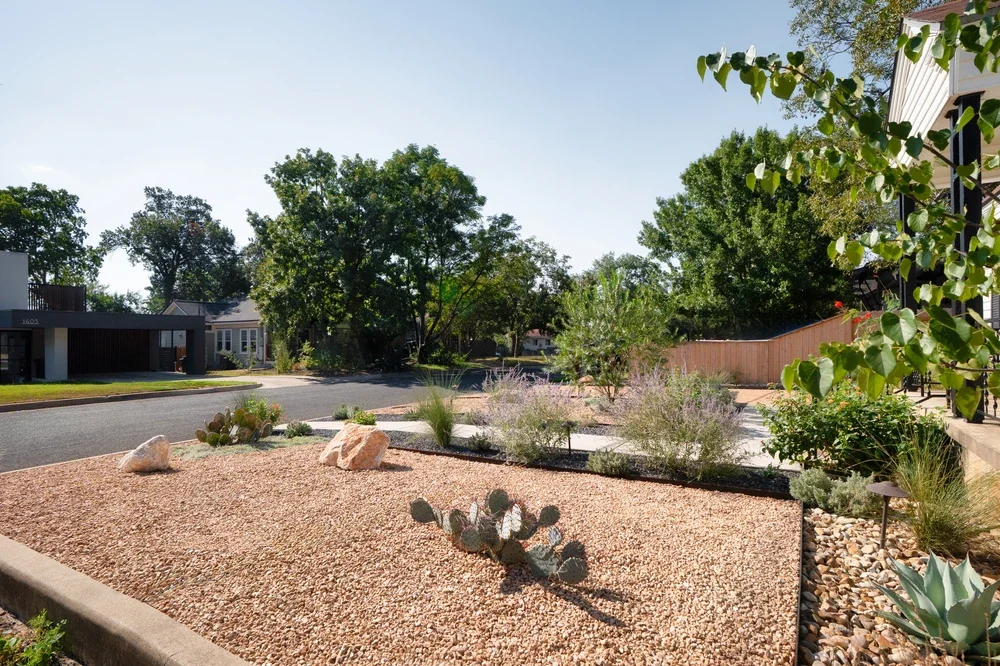
Post-Freeze Landscaping Recovery in Austin
Mulch Cleanup And Refill For Beds After Frost
Once the cold front rolls through, most homeowners want to start trimming and cleaning right away, but landscaping recovery usually goes better with patience. Frost can make stems brittle, and pruning too soon can remove healthy tissue that still has a job to do. It is often better to wait until the plant shows the extent of the damage. Mulch should remain in place during this time because it helps keep soil moisture more consistent as temperatures fluctuate.
In Austin, it is common to see a second cold snap after the first, so landscaping recovery should account for future weather. Bare beds after cleanup can gcoolfaster, so adding mulch back into thin areas is a helpful step. If plants are covered, remove the covers once the day is warm enough, as trapped moisture can cause problems that may appear later. A homeowner can also check for heaved plants, where the root ball has lifted slightly, and tuck them back in gently with soil and mulch. When spring arrives, that small effort often means healthier plants and fewer replacements.
Lawn Maintenance After Frost, When To Rake It
Some frost discoloration is normal and can appear worse than it is, so lawn maintenance after a freeze should start with observation. If the lawn appears gray, tan, or patchy, it may be dormant rather than dead, especially for warm-season turf in Austin. Raking too hard right away can pull up grass that is still attached, so a light touch is better until warmer days return. Landscaping pros often monitor the crown area near the soil line because that is where new growth will appear first. If the crown is firm and not mushy, the grass usually has a good chance to recover.
Once a few warmer days return, lawn maintenance can resume, but it should still be gentle. Watering should be reduced gradually based on actual conditions, as cold, wet soil can increase disease pressure. If winter weeds appear, it is tempting to apply products to address the problem, but it is helpful to confirm what is growing and whether treatment should wait until the turf is active again. Many Austin homeowners find that the best landscaping outcome comes from letting the lawn wake up on its own schedule, then adjusting mowing and care once growth is obvious.

Conclusion
Freeze warnings in Austin, TX, can feel sudden, but a yard usually does better when landscaping care focuses on roots, moisture, and a little timing. Mulch helps protect beds, lawn maintenance supports turf recovery, and irrigation protection can prevent expensive surprises. At Southern Love Landscaping & Design, we bring experienced craftsmanship and outstanding customer care to help homeowners protect their landscaping even after a cold snap. Reach out today to discuss your yard's needs, and we will help you develop a plan that fits your property.