
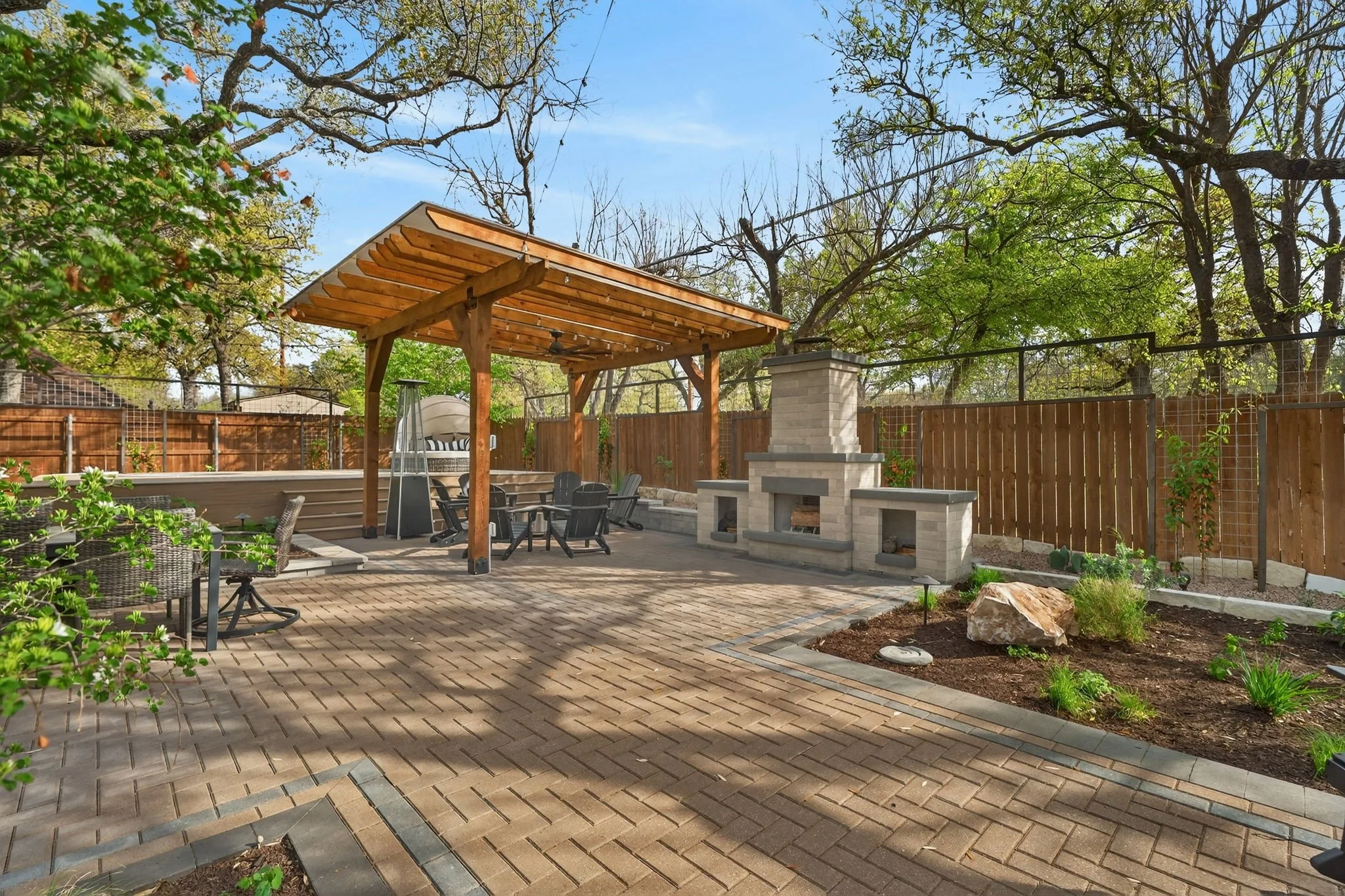
Landscaping Tips and Resources for Austin & Cedar Park, TX Homeowners
Helpful guidance for planning, improving, and maintaining your outdoor space in Central Texas
Southern Love Landscaping & Design’s resources page shares landscaping tips, outdoor project ideas, lawn care guidance, irrigation advice, and seasonal property insights for homeowners in Austin, Cedar Park, and surrounding Texas communities.
Whether you’re planning a larger landscape design-build project or looking for better ways to care for your property, you’ll find practical information from a team that works in Central Texas every day.


What You’ll Find Here
Landscape design ideas for patios, poolscapes, turf, lighting, planting, and full outdoor projects
Lawn care and maintenance tips for keeping your property cleaner and healthier throughout the year
Seasonal yard cleanup guidance for spring, fall, and changing Central Texas weather
Irrigation tips to help your system support your lawn, planting beds, and outdoor spaces more effectively
Advice for choosing a reputable landscape company, planning your budget, and understanding the project process
If you have questions about your landscape, outdoor space, or maintenance plan, this is a helpful place to start.

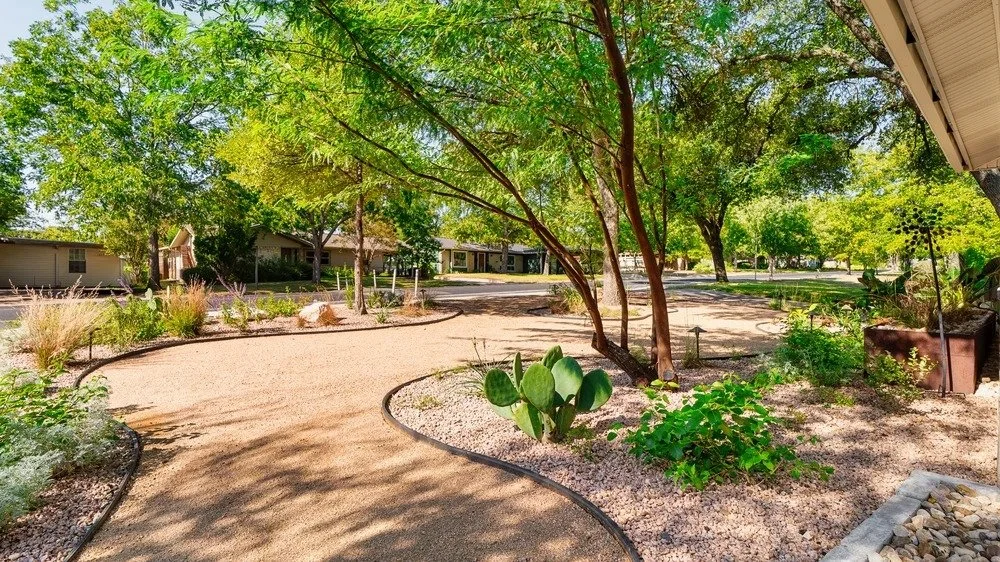
Austin Landscaping: Navigating Soil and Hill Country Terrain
In Austin, TX, a yard can look “normal” from the street and still act completely different once someone starts digging. One home hits sticky clay that cracks when it dries, while another runs into limestone and barely has depth for roots. February is a smart time to think about this because the yard is easier to read, and spring projects feel less rushed when the plan is clear. Keep reading to see how local soil and terrain shape landscaping choices, from plant beds to water habits.
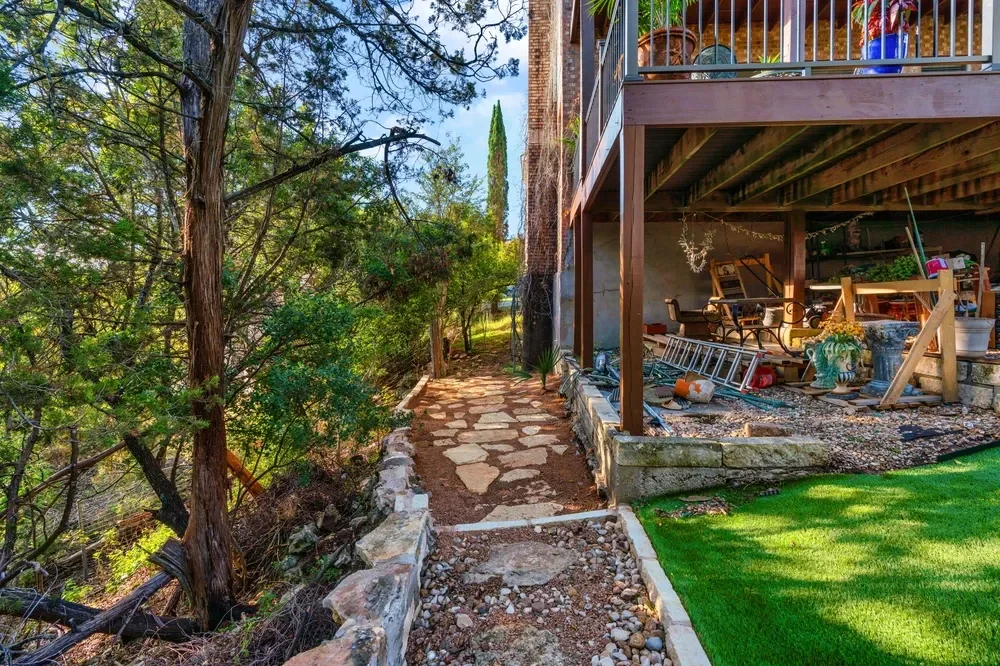
Fresh Start: Yard Clean-Up Before Springtime In Austin, TX
In Austin, TX, February can feel a little confusing. One day, the yard looks ready for spring, and the next morning, there is frost on the grass and broken twigs on the patio. This in-between season is precisely why a homeowner benefits from getting ahead of the mess early, before the busy spring calendar kicks in. If spring planting, fresh beds, and a better-looking lawn sound good, keep reading.
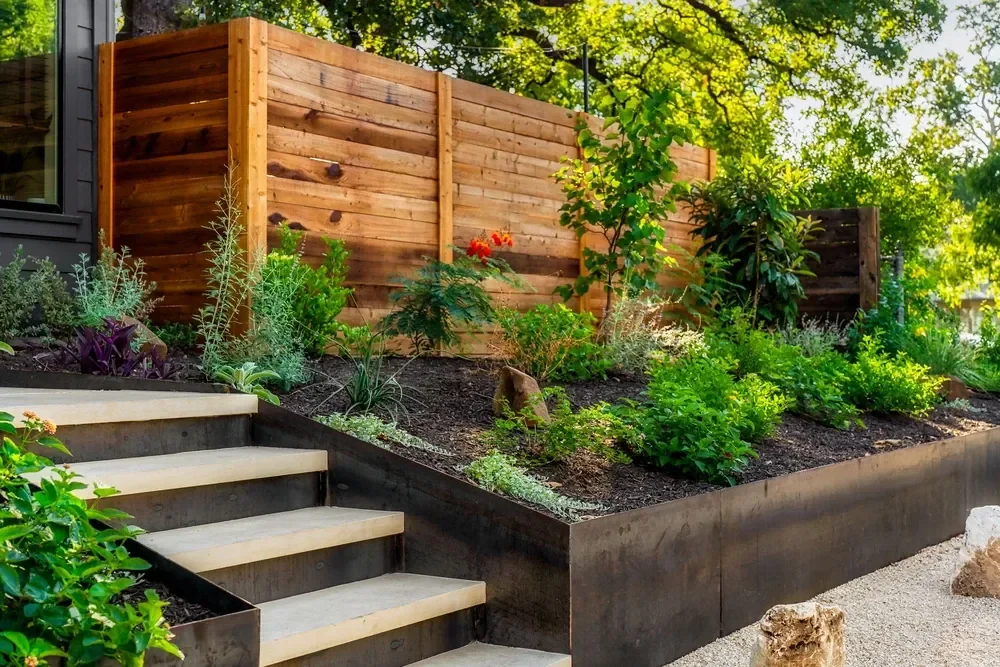
How to Uncover Pressure Within Retaining Walls for Rainstorms
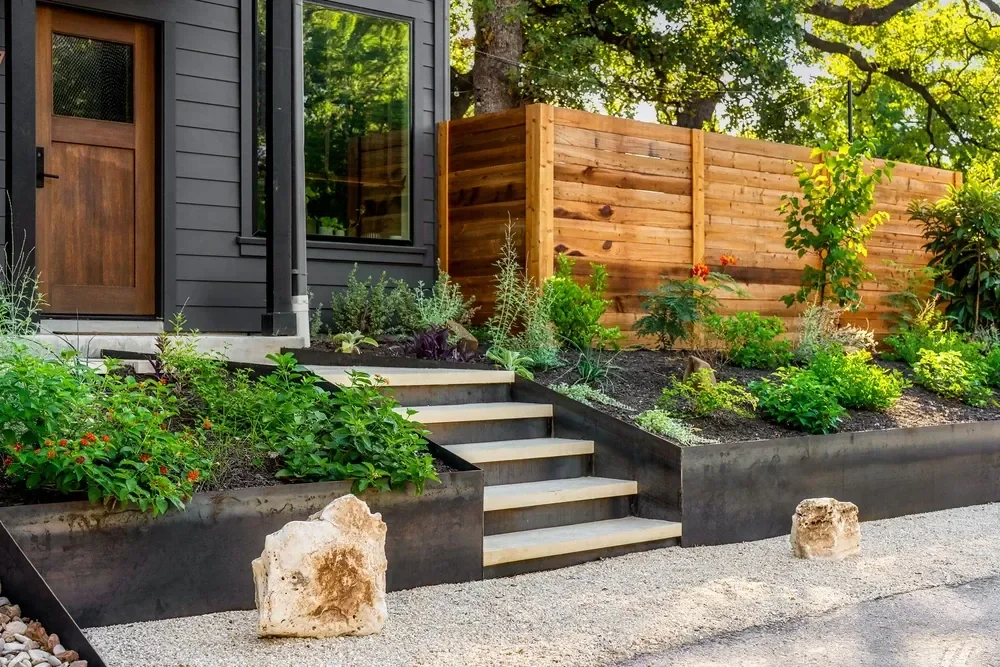
February can make a yard feel like it has a mind of its own. One week, it is dry enough to sweep the walkway, then a stretch of rain shows up, and suddenly, a retaining wall looks damp, stained, or even a little “sweaty.” Homeowners often assume the wall itself is the problem, but most of the story is happening behind it. If a wet wall is showing up this month, the right kind of drainage can take a lot of stress off the structure and help it last longer, so keep reading.
Your Critical Landscaping Guide For Austin Freeze Warnings
January in Austin, TX, can feel warm at lunch and then turn icy by bedtime, and that swing can catch a yard off guard. A freeze warning usually means temperatures are expected to drop to near or below freezing long enough to damage plants, turf, and irrigation components. Most homeowners can protect their outdoor space with a few smart steps. Keep reading to learn what to handle first, and what can wait until the sun is back out.

Your Landscape Partner in Austin & Cedar Park, TX
Southern Love Landscaping & Design provides landscape design and construction, irrigation, hardscaping, outdoor living, and maintenance services for homeowners in Austin, Cedar Park, West Lake Hills, Tarrytown, Steiner Ranch, Leander, Round Rock, Georgetown, and nearby communities.
Our team helps you plan and care for an outdoor space with reliable communication, local experience, and a clear process.