
Austin Landscaping: Navigating Soil and Hill Country Terrain
In Austin, TX, a yard can look “normal” from the street and still act completely different once someone starts digging. One home hits sticky clay that cracks when it dries, while another runs into limestone and barely has depth for roots. February is a smart time to think about this because the yard is easier to read, and spring projects feel less rushed when the plan is clear. Keep reading to see how local soil and terrain shape landscaping choices, from plant beds to water habits.
Landscaping Solutions for Austin's Clay and Limestone
Outdoor Living Spaces That Respect Clay Soils
Many outdoor living spaces start with a simple goal: create a comfortable spot to sit, cook, and gather without having to deal with muddy shoes. In many parts of Austin, TX, the challenge begins underground, because clay-rich areas can swell when they stay wet, then shrink back as the heat dries them out. West of I-35, it’s also common to deal with thin soil over limestone, and that changes how deep things can be set and how water behaves after a storm. Austin’s mix of ecoregions is a big reason why two neighbors can have very different results from the same design.
This is where good hardscaping work becomes more than “nice stone.” The base layer needs to be built for the soil, not just for the surface style, especially if the space will hold a dining set or a built-in grill. On clay, a properly compacted base and edge restraint help keep the surface from drifting as the seasons change. On shallow, rocky lots, the challenge is often getting enough stable depth without forcing water to run toward the house. A homeowner doesn’t need to memorize soil science to make smart landscaping decisions, but it helps to know that Austin soil is not one-size-fits-all.
How Irrigation Needs Change with Austin Soil Types
Soil type affects how quickly water moves, which is why irrigation plans can succeed in one yard and struggle in another. Clay tends to hold moisture longer, which can be helpful during hot weather, but it can also cause problems if a system waters too much, too fast. Thin limestone soils can dry out quickly, leaving plants stressed even when it feels like “plenty of water” is being applied. This is one reason so many homeowners end up overwatering. They are trying to fix a soil issue with a watering issue, but the yard responds with runoff, fungus, or weak roots.
Austin, TX, also has real-world watering rules that shape what is realistic for a home landscape. The City of Austin’s drought-stage schedule can limit automatic irrigation systems to one day per week. In contrast, drip irrigation is often allowed more frequently, depending on the current stage and the address schedule. That matters because a good landscaping plan should fit a homeowner's actual schedule.
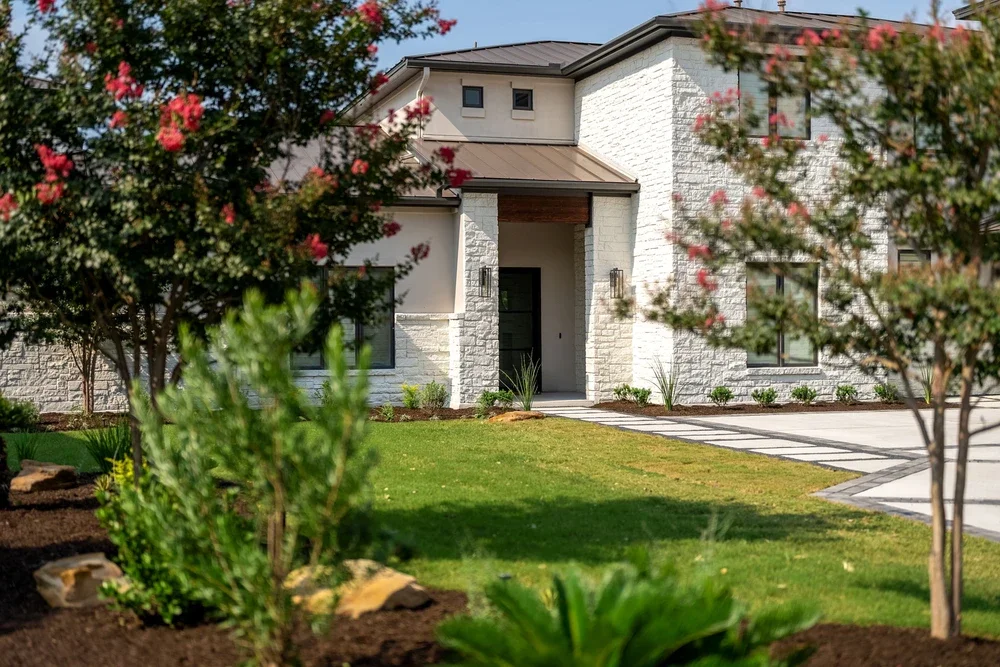
Landscaping Layouts for Steep Austin Hillside Lots
Designing Outdoor Living Spaces for Sloped Terrain
Terrain is where Austin, TX, really keeps things interesting. Some properties are almost level, while others drop quickly toward a greenbelt, a creek, or a back fence that feels far below the patio door. Those slopes can be a gift for views, but they can also create runoff that cuts across the yard during spring storms. On the Edwards Plateau side of the region, it’s common to see shallow soils over limestone, and those landscapes are naturally prone to runoff when water has nowhere to soak in. A landscaping plan that ignores that usually ends up fighting washouts and bare spots.
Outdoor living spaces on sloped lots often work best when the yard is shaped into usable levels rather than a single long drop. That could mean a small upper patio near the back door, then a second sitting area lower down where the grade allows it. Sometimes a low seat wall or a short retaining wall helps create a flat pad that feels comfortable, and it can also protect planting beds from losing soil during heavy rain. The goal is not to build a fortress; it’s to keep the space usable and safe when the weather turns. And in Austin, the weather can turn quickly.
Irrigation For Slopes That Avoid Runoff Issues
Irrigation and slopes can be a rough combination when the system is set up like the yard is flat. Spray heads on an incline often send water across the surface before it has time to soak in, especially on compacted soil. Homeowners may see water moving down the slope and think, “Great, it’s getting watered.” But the plants at the top stay thirsty, and the bottom can turn soggy. That kind of uneven watering also encourages shallow roots, which struggle when summer heat arrives.
A better approach is to match irrigation style to terrain. Drip lines or low-flow emitters can deliver water slowly enough that the soil can absorb it, even on a grade. Zoning matters too, because a sunny upper slope will dry out differently than a shaded lower area near a fence line. Austin’s terrain makes it worth paying attention to pressure, runoff paths, and where water naturally collects. When the irrigation installation is planned with those details in mind, landscaping feels easier to maintain, and the yard stays more consistent across the seasons.
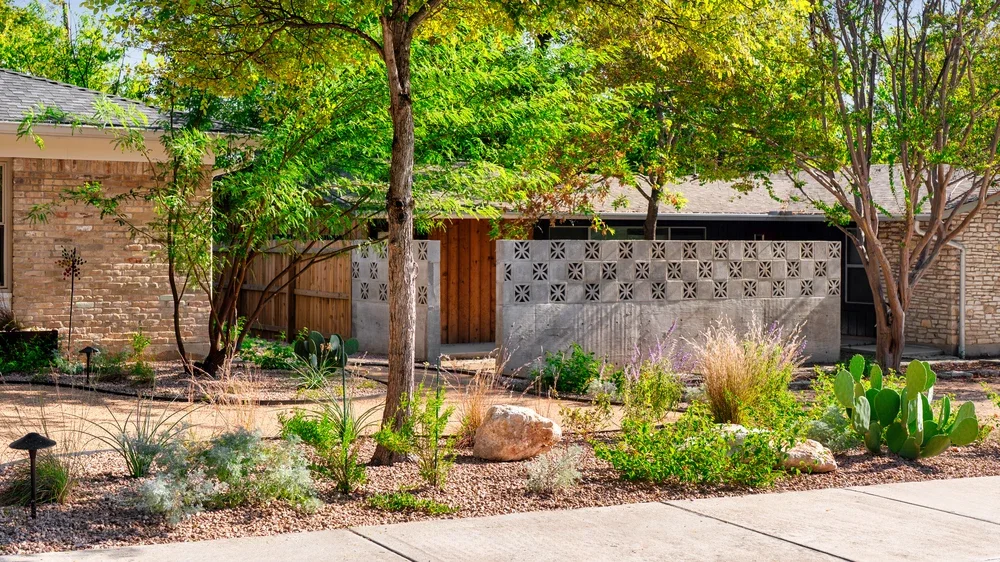
Selecting Plants That Thrive in Austin Landscapes
Designing Outdoor Living Spaces for Summer Shade
Plant choices are where soil, terrain, and daily life meet. A homeowner can have a beautiful patio, but if the sun is blasting that spot all afternoon, it won’t feel comfortable for long. Shade planning matters in Austin, TX, because summer heat is no joke, and winter can still surprise people with cold snaps. February is a helpful planning month because trees are easier to read without whole leaves, and it’s easier to picture where shade will fall once spring growth returns. A landscaping plan that considers shade early tends to feel better in July, not just in April.
This is also where outdoor living spaces efficiently tie into plant selection. A well-placed tree or a tall planting bed can create privacy, reduce glare, and make a seating area feel more comfortable. At the same time, it has to suit the soil. On rocky, shallow ground, it may make more sense to create “planting islands” with improved soil, rather than trying to force every corner of the yard to grow the same way.
Sustainable Irrigation for Your Austin Landscape
Plants that match the site usually need less help long-term, but they still need a good start. That start often depends on irrigation during the first growing season, especially when spring days warm u,p and rain becomes unpredictable. In Austin, TX, it’s common to see alkaline soils with low organic matter, which can make plants struggle if the bed prep is weak and watering is inconsistent. A strong landscaping plan considers what the soil can support, how the slope affects water movement, and how a homeowner will realistically water once summer hits.
February is also a good reminder that irrigation systems should be set up for adjustment, not for one fixed schedule. A controller that can change run times by season helps prevent overwatering in cooler months and underwatering when the heat ramps up. New plantings usually need deeper watering at the root zone, not daily surface sprinkles that train roots to stay shallow. If the yard includes both lawn areas and planted beds, those zones should not be watered the same way. When irrigation is planned for the actual mix of plants and surfaces in the yard, landscaping looks healthier, and it stays that way with less frustration.
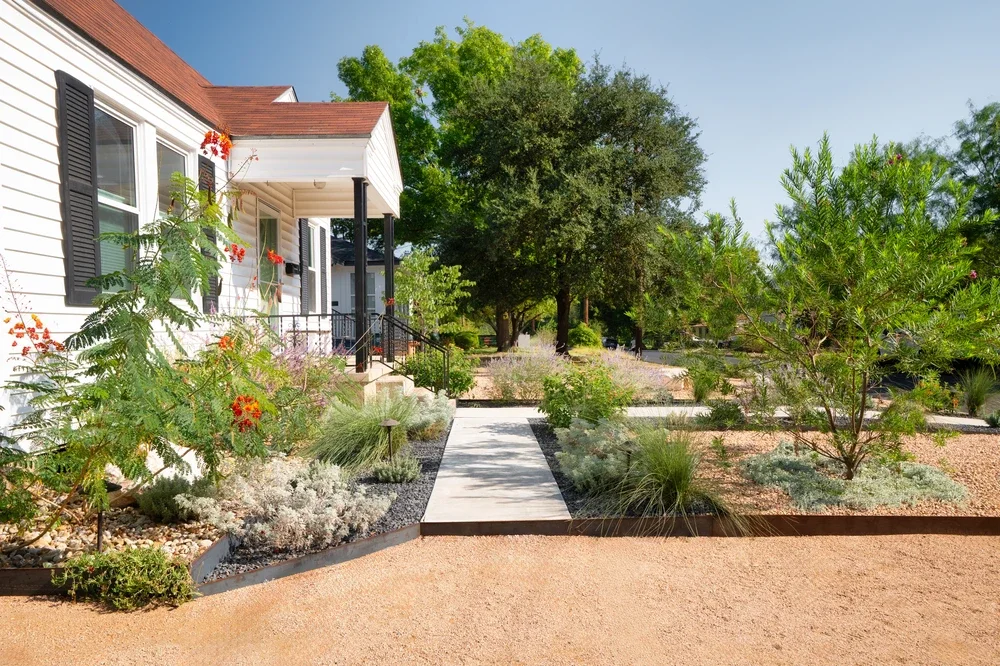
Conclusion
Austin, TX, soil and terrain can feel challenging, but they also explain why the right landscaping choices make such a big difference here. When the plan accounts for clay movement, shallow limestone, runoff patterns, and realistic irrigation schedules, the yard tends to perform better through every season. We at Southern Love Landscaping & Design bring experienced craftsmanship to every project because homeowners deserve a landscape that fits their property, not a generic template. If you’re planning spring changes, contact us, and we’ll help you figure out what will work best for your soil, slope, and how you want to use your space.