
How to Maintain Paver Patios in Texas
Paver patios add a touch of elegance to outdoor living spaces in Texas. They provide durable and aesthetically pleasing surfaces for different activities. However, the harsh Texan climate poses unique challenges to maintaining hardscapes. Let's explore effective strategies for maintaining paver patios in Texas.
Paver Patios and Yard Cleanups: Making the Connection
Texas weather can cause debris, leaves, and dirt to accumulate on your patio. Over time, neglected messes can compromise the integrity of your hardscape. Regular yard cleanups are essential to prevent elements from causing damage or staining the surface. Here are two essential steps for effective cleanups:
Sweeping - Sweep the patio surface to remove loose debris and dispose of it properly. Ask local landscaping experts for help.
Shrub Trimming - Trim shrubs and bushes, clean out flowerbeds, and install mulch to prevent weed growth. Discuss options and variables with area pros.
Remember, landscaping is a multifaceted process, and maintaining paver patios requires seasonal attention. Keep the surface clean and reduce the risk of scratches and damage with scheduled yard cleanups.
How Strategic Landscape Design Impacts Paver Patios
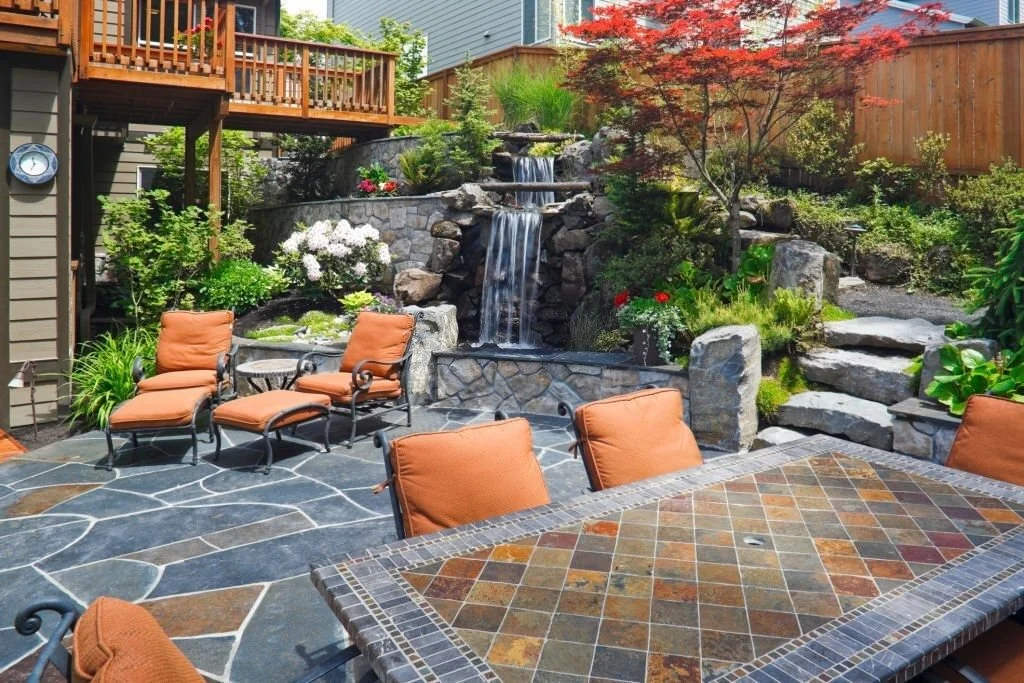
Want to lower your lawn maintenance costs? Integrate a thoughtful landscape design around your paper patio. Consider the following elements for a strategic and functional space:Drainage and IrrigationPlan your landscape designed to facilitate proper drainage away from the paper patio. This step will help prevent water pooling, which can weaken the foundation over time. Then, develop an irrigation system that complements existing structures.
Appropriate Plants
Choose plants that are well-suited to the Texas climate. Drought-tolerant gardens require less water and are easier to maintain. This advantage helps reduce the risk of over-watering the patio area.Hardscape FeaturesIncorporate hardscape features like driveways and retaining walls to define the patio area. Hardscaping helps enhance the visual appeal of your property and prevent soil erosion, which can be costly to fix. Meanwhile, weeds can persist regardless of how efficient or well-maintained your patio is. Preventing weed growth around a paper patio is crucial. Mulching is an effective solution to inhibit weed growth and enhance the overall appearance of your property. Choose an organic mulch for best results. Mulching such as bark or wood chips can help suppress weeds, retain soil moisture, and help prevent erosion when paired with retaining walls and adequate irrigation.
Why Retaining Walls Are Crucial for Paver Patios
Erosion can pose a significant threat to your patio's stability and longevity. Nobody wants to invest in hardscape design to watch it waste away because of the weather or exposure to harsh conditions. Fortunately, retaining walls are an effective solution to help prevent the problem. Consult with a landscaping professional to design and install retaining walls that complement the aesthetics of your paver patio. Then, choose durable materials for the construction to withstand different weather conditions. The most common options in Texas are concrete blocks, natural stone, or treated timber. Schedule inspections around the same time you inspect paver patios to streamline maintenance. Check for cracks and other signs of damage. Address the issues promptly to prevent costly repairs.
When to Call for Help
If you encounter structural issues, such as significant cracks or uneven settling, contact pros for help. Paver patios and retaining walls can show instability, soil erosion, and environmental damage. However, extensive repairs can be expensive. Call local experts as soon as you see a problem, and don't wait for your paver patio to crumble. Remember, a damaged paver patio can be a safety risk.
Conclusion
Maintaining paper patios requires a combination of proactive measures. Regular yard cleanups, strategic landscape design, and retaining walls are essential. Enjoy a durable and Visually appealing outdoor living space that withstands the test of time. Contact local hardscaping professionals for more tips and information.