
Retaining Walls Uses in Landscaping
Retaining walls are integral features of landscaping design, serving practical and aesthetic purposes. They play a crucial role in controlling erosion, managing water runoff, creating usable spaces on slope terrain, and enhancing the overall beauty of outdoor living spaces. Understanding the diverse functions of retaining walls can unlock their full potential in landscaping projects. Ensure structural stability and captivating visual appeal with these three practical uses.
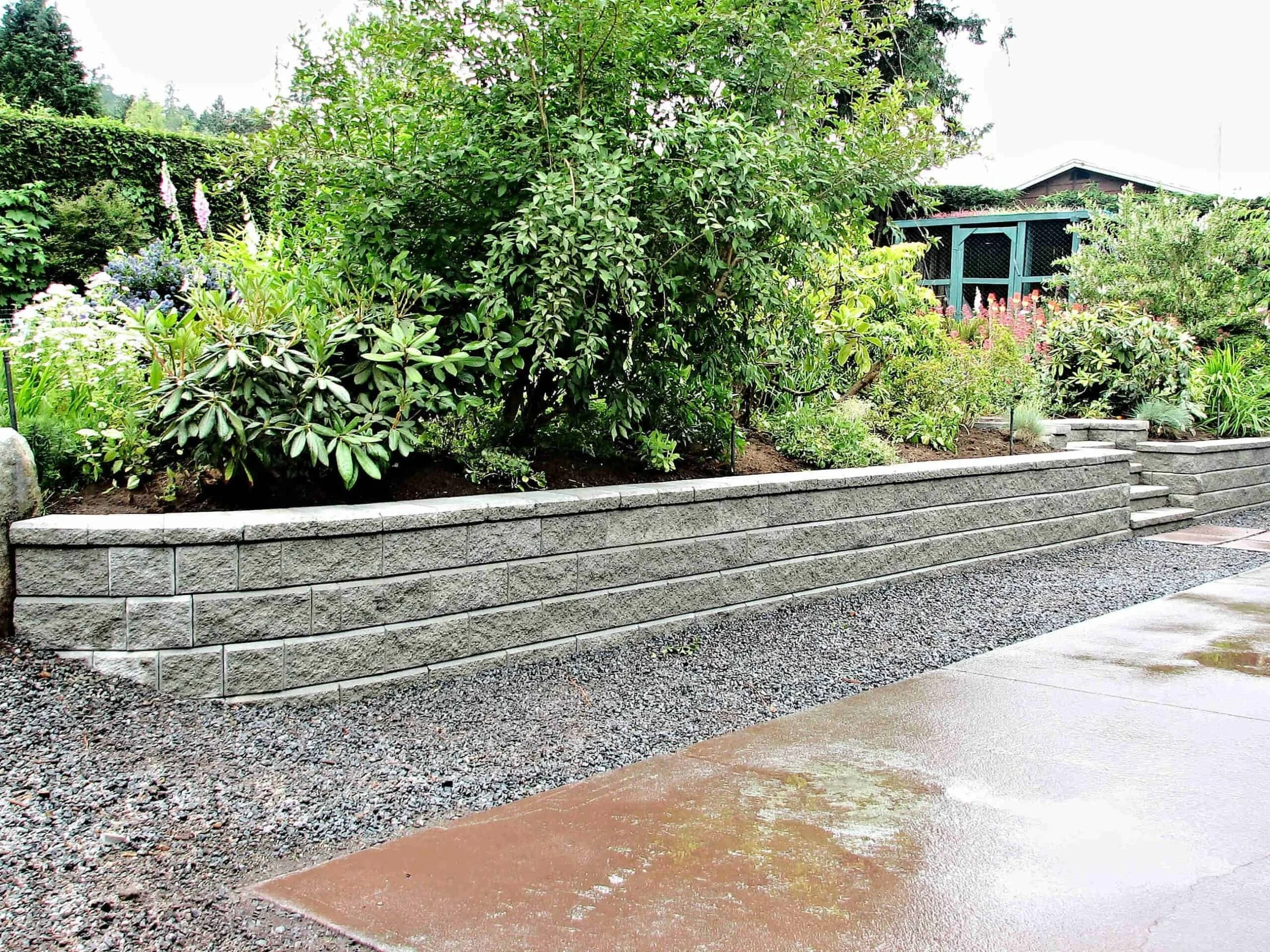
Retaining Wall Use #1: Erosion Control
One of the primary purposes of retaining walls and landscaping is erosion control. Sloped terrain is susceptible to soil erosion caused by rainwater runoff, which can lead to unsightly scars on the landscape and even compromise the stability of surrounding structures. Retaining walls act as durable barriers, holding back the soil and preventing erosion by redistributing the pressure exerted on the sloping ground. By effectively managing water drainage and soil retention, retaining walls help maintain the integrity of your landscape over time. FACT:Retaining walls can help preserve your lawn's natural beauty while safeguarding against environmental degradation.
Retaining Wall Use #2: Structural Support
Retaining walls provide essential structural support in landscaping projects, especially in areas with uneven terrain or steep slopes. They prevent landslides and soil shifting by redistributing the weight of the soil and other materials, instantly stabilizing the ground and providing a solid foundation for hardscaping, landscape designs, and outdoor living spaces. This structural reinforcement is particularly crucial in residential and commercial landscapes, where the Integrity of the outdoor environment directly impacts the safety and functionality of the property. Retaining walls can be engineered to withstand specific loads and environmental conditions. Use them for long-term property durability and reliability in landscaping design. TIP:Install retaining walls around patios and pergolas to create visually striking borders and protect flowerbeds from foot traffic.
Retaining Wall Use #3: Creating Usable Space
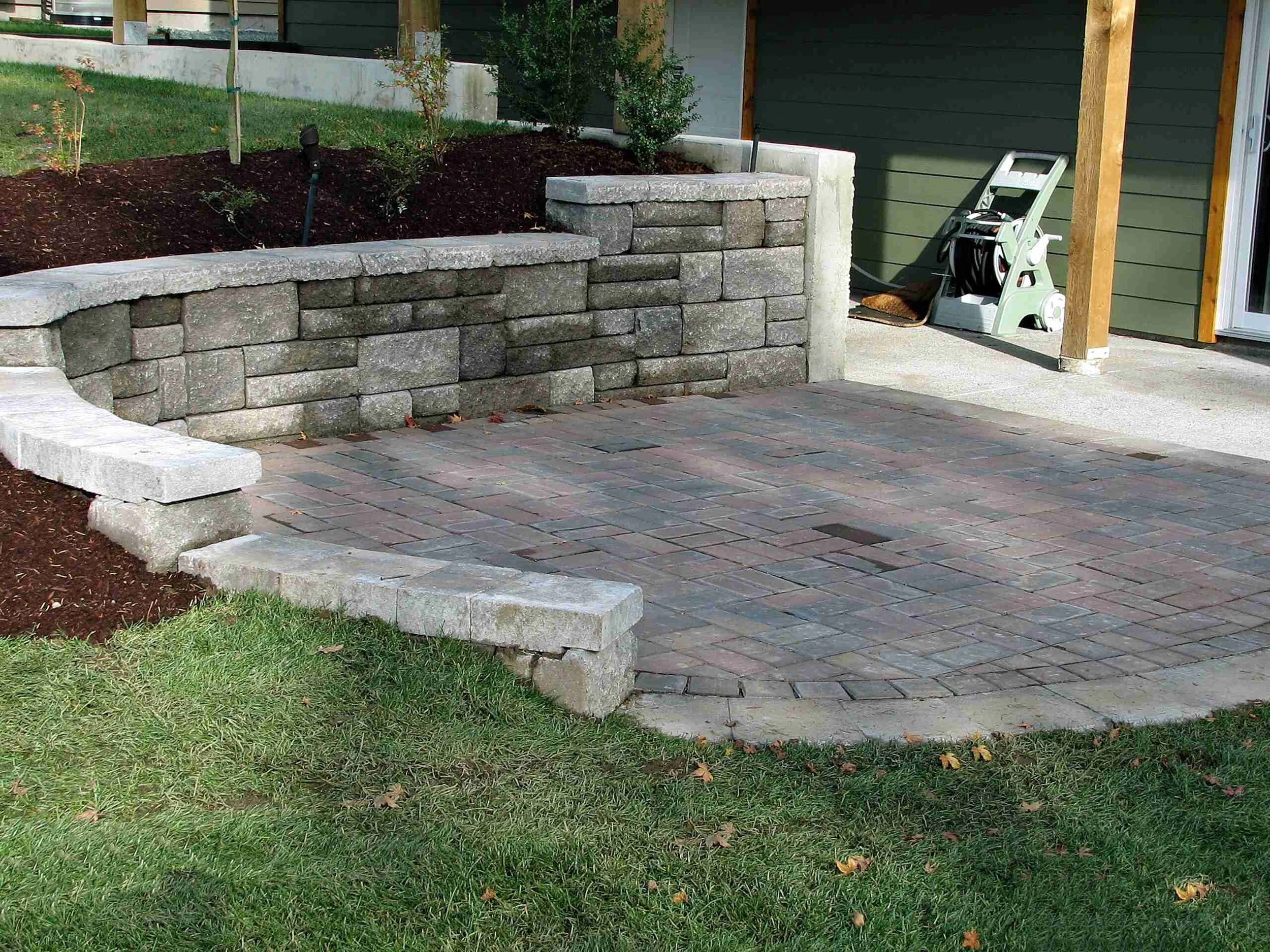
Beyond their practical functions, retaining walls are also versatile tools for creating usable spaces and challenging landscapes. They transform otherwise inaccessible terrain into functional outdoor areas for gardening, seating, relaxation, recreation, and more. Use them to terrace steep slopes or elevate specific areas. Terraced gardens maximize space usage and add visual interest and dimension to the landscape design. Retaining walls can be built using various materials, including concrete blocks, natural stone, or timber, allowing for customizations that suit the aesthetic preferences and functional needs of the space.
Conclusion
Retaining walls serve diverse purposes in landscaping and outdoor design, from erosion control to creating outdoor living spaces. Understanding their importance is essential for a successful design. Explore different ideas to harness their full potential and achieve practical functionality and aesthetic beauty in your favorite outdoor environment. Preserve the Integrity of your landscape, enhance structural stability, and unlock the essence of challenging terrain. Contact Southern Love Landscaping professionals for an exploratory consultation.