
Upgrading Your Outdoor Space With A Paver Patio
SUMMARY
Transforming your outdoor space into a welcoming, functional extension of your home is a popular goal for many homeowners, and one of the best ways to achieve that is by installing a paver patio. This timeless feature blends aesthetic appeal with long-lasting durability, offering a clear upgrade to any backyard or garden area. Whether you’re envisioning a place to entertain guests, enjoy quiet evenings outdoors, or increase your property value, a paver patio delivers on all fronts. In this blog, we’ll explore the key benefits of paver patios, what to consider when planning your installation, and why this upgrade is worth considering if you want to elevate your home’s outdoor living potential.
Benefits of a Paver Patio
Enhancing Functionality and Aesthetics
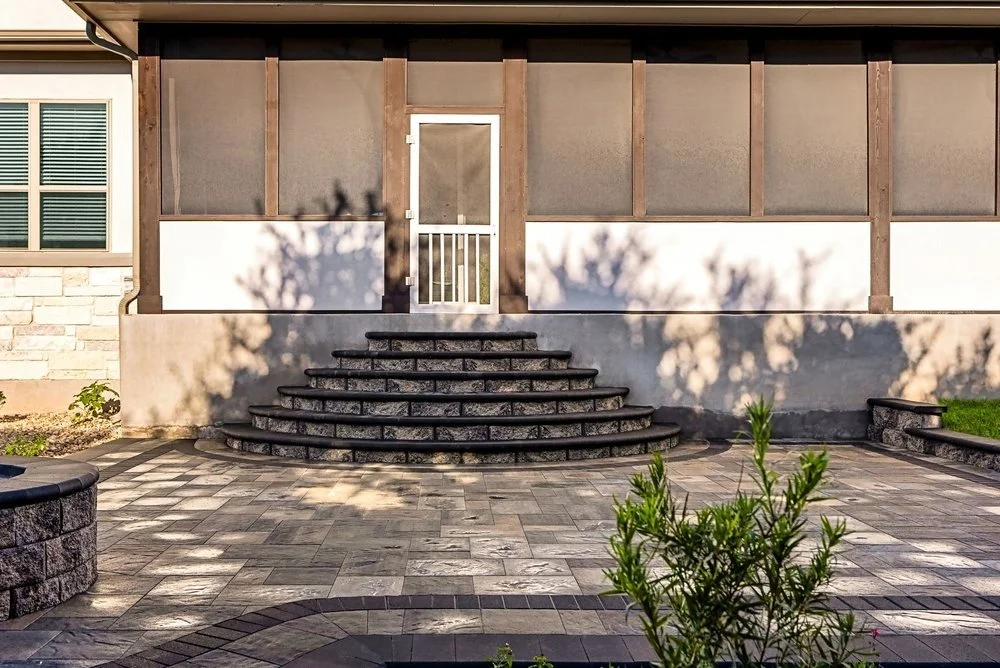
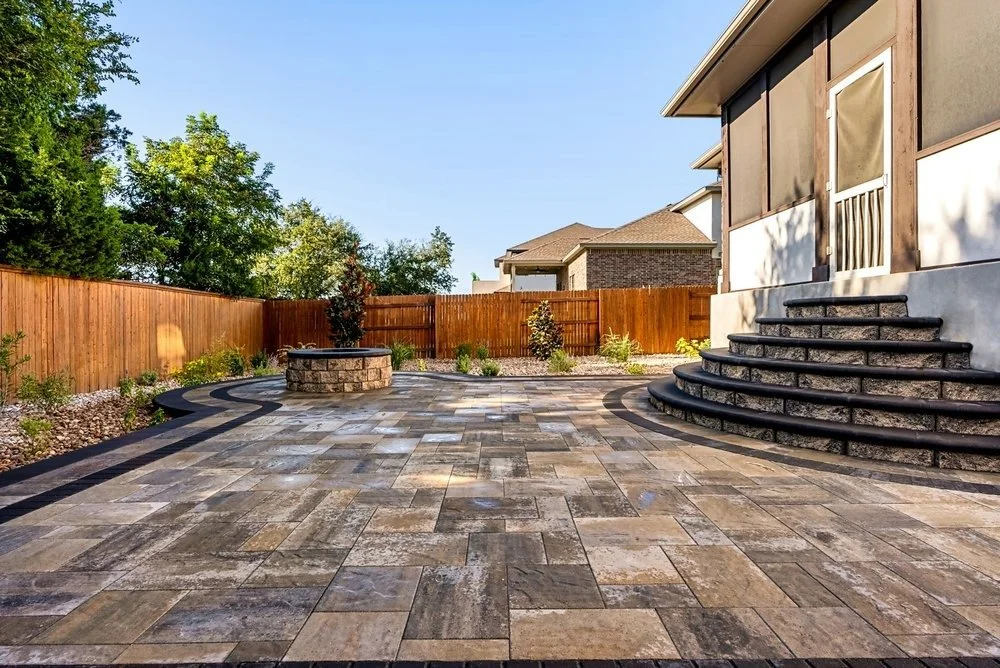
One of the most appealing aspects of a paver patio is how seamlessly it improves both the function and look of your outdoor space. Instead of dealing with worn-out grass or a plain concrete slab, pavers offer a refined, high-end finish that turns a backyard into an inviting oasis. With various styles, patterns, textures, and colors available, homeowners can tailor a paver patio to match their personal taste and the architectural elements of their home. Beyond the visual impact, paver patios create a defined area for gathering, dining, or lounging, which enhances how the space can be used.
Durability and Long-Term Value
Unlike poured concrete or wooden decks, paver patios are known for their durability. They’re built to withstand fluctuating temperatures, moisture, and heavy foot traffic without cracking or rotting. Each paver is laid individually, which allows the patio to flex and shift naturally with the ground rather than break under pressure. This construction method helps ensure that a paver patio stays looking fresh and level for years to come. Additionally, because they’re so low-maintenance and weather-resistant, paver patios can add long-term value to your home, making them an excellent investment for homeowners who may want to sell down the line.
Planning the Perfect Paver Patio
Selecting the Right Materials and Design
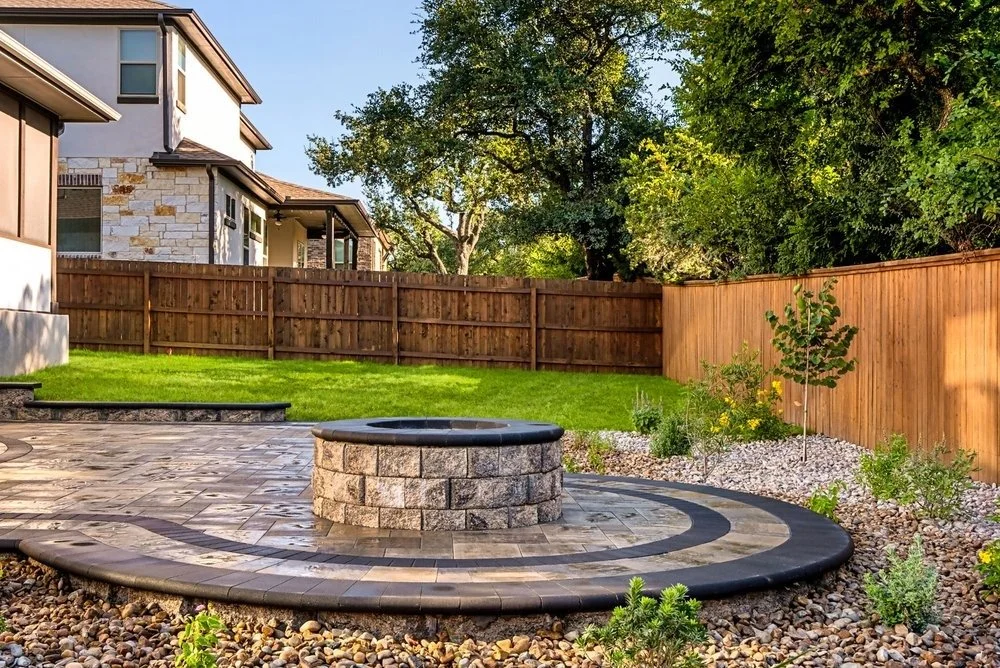
The success of your paver patio upgrade largely depends on choosing the right materials and layout. Brick, concrete, and natural stone are among the most popular paver options, and each offers its own unique look and texture. Brick brings a classic, warm charm, while concrete pavers offer versatility in shapes and finishes. Natural stone, like slate or flagstone, tends to be more expensive but gives an unmatched organic feel. When selecting a design, it’s important to consider how you’ll use the space and the size of your yard. A compact patio may be ideal for intimate seating, while a larger area can accommodate furniture, an outdoor kitchen, or a fire feature.
Site Preparation and Installation
Installing a paver patio requires careful planning and proper site preparation. This isn’t just about laying pavers on the ground—excavation, grading, and creating a compacted base layer are all critical steps to ensure a level and durable foundation. Professionals often use gravel and sand layers beneath the pavers to allow for drainage and to reduce the risk of shifting or sinking over time. Edge restraints are also installed to maintain the shape and integrity of the patio. While some homeowners may consider DIY installation, working with experienced contractors can save time and ensure the quality and longevity of the final product.
Long-Term Enjoyment and Upkeep
Low Maintenance with High Reward
One of the standout benefits of a paver patio is how little maintenance it requires. Once installed, occasional sweeping and rinsing are usually enough to keep it looking great. If weeds emerge between joints or if moss starts forming in shaded areas, a simple treatment with a natural solution or a pressure wash can resolve the issue quickly. Sealing the pavers can help preserve their color and prevent staining from spills or environmental factors, but this is optional depending on your aesthetic preference. Because each paver is separate, damage to a single piece doesn’t require an overhaul—just a simple replacement.
Seasonal Use and Weather Resistance
Thanks to their sturdy construction and drainage-friendly base, paver patios hold up well in all seasons. They don’t get overly slick in the rain, and they won’t warp or split during a cold snap. During summer, pavers remain relatively cool underfoot compared to poured concrete, which makes them perfect for bare feet and pet paws alike. If your climate sees a lot of snow, you can even safely use snow blowers or shovels without fear of damaging the patio. This year-round usability ensures your investment is one you can enjoy every season, not just in warmer months.
Conclusion
Upgrading your outdoor space with a paver patio is more than a cosmetic improvement—it’s a way to maximize the functionality and enjoyment of your yard. The blend of aesthetic flexibility, durability, and ease of maintenance makes pavers a top choice for homeowners looking to create an outdoor living space that stands the test of time. Whether you want to relax with a book under the sun, host family barbecues, or simply boost your home’s market value, a well-designed paver patio offers the perfect foundation. With the right materials, thoughtful design, and proper installation, this investment pays off not just in added value, but in daily comfort and lifestyle enhancement. Get with us today to learn more about paver patios, landscaping, landscape design, and much more.